
Stanislavsky Theatre
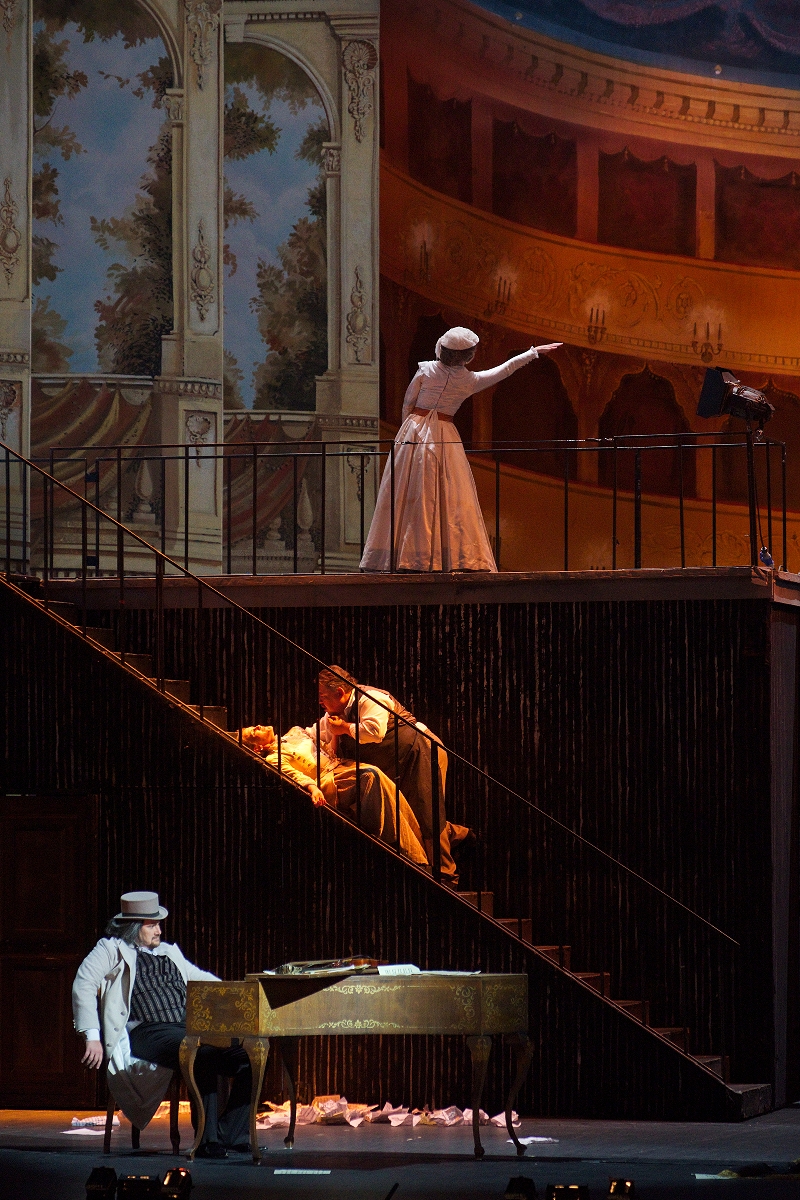
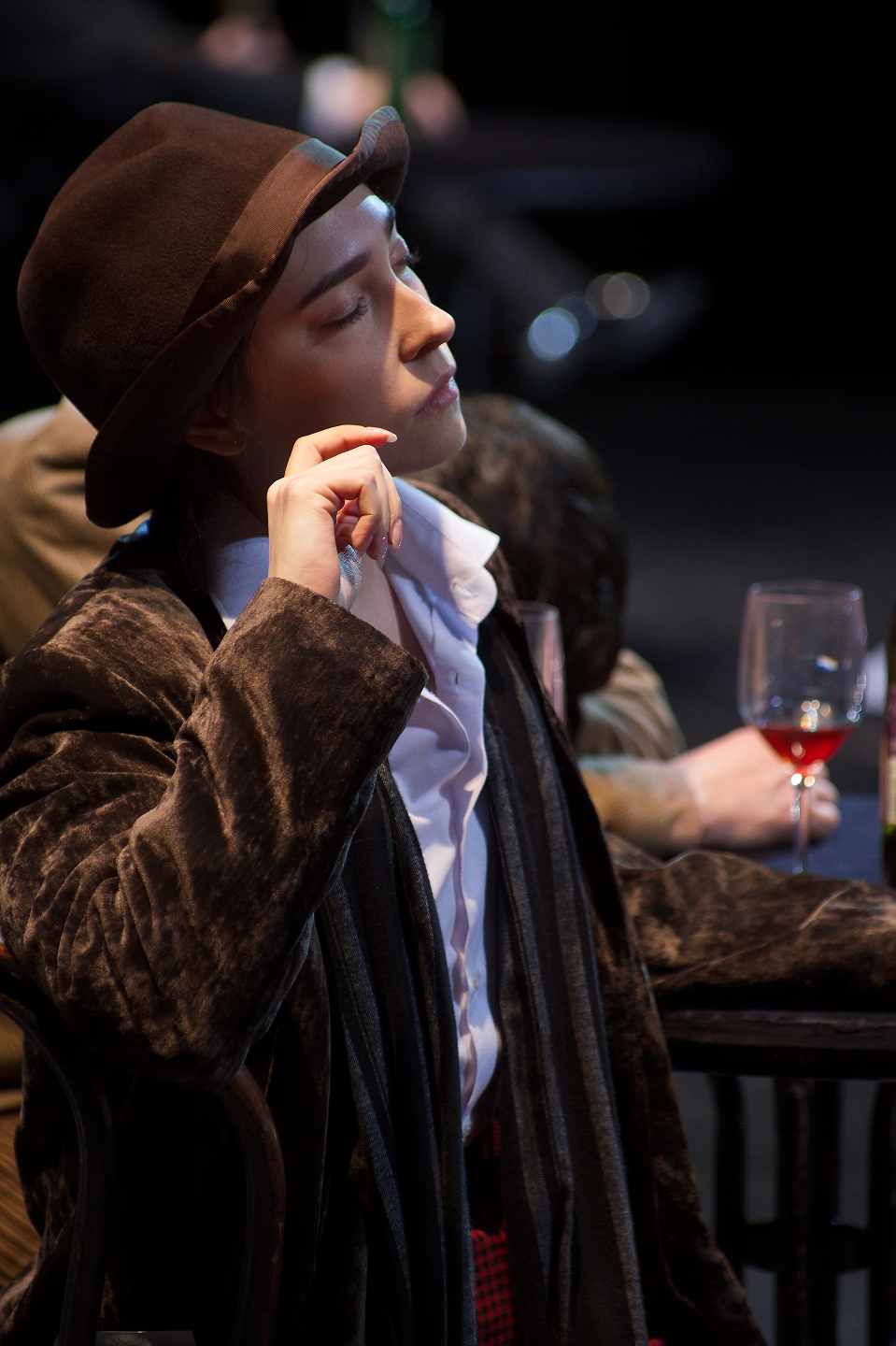
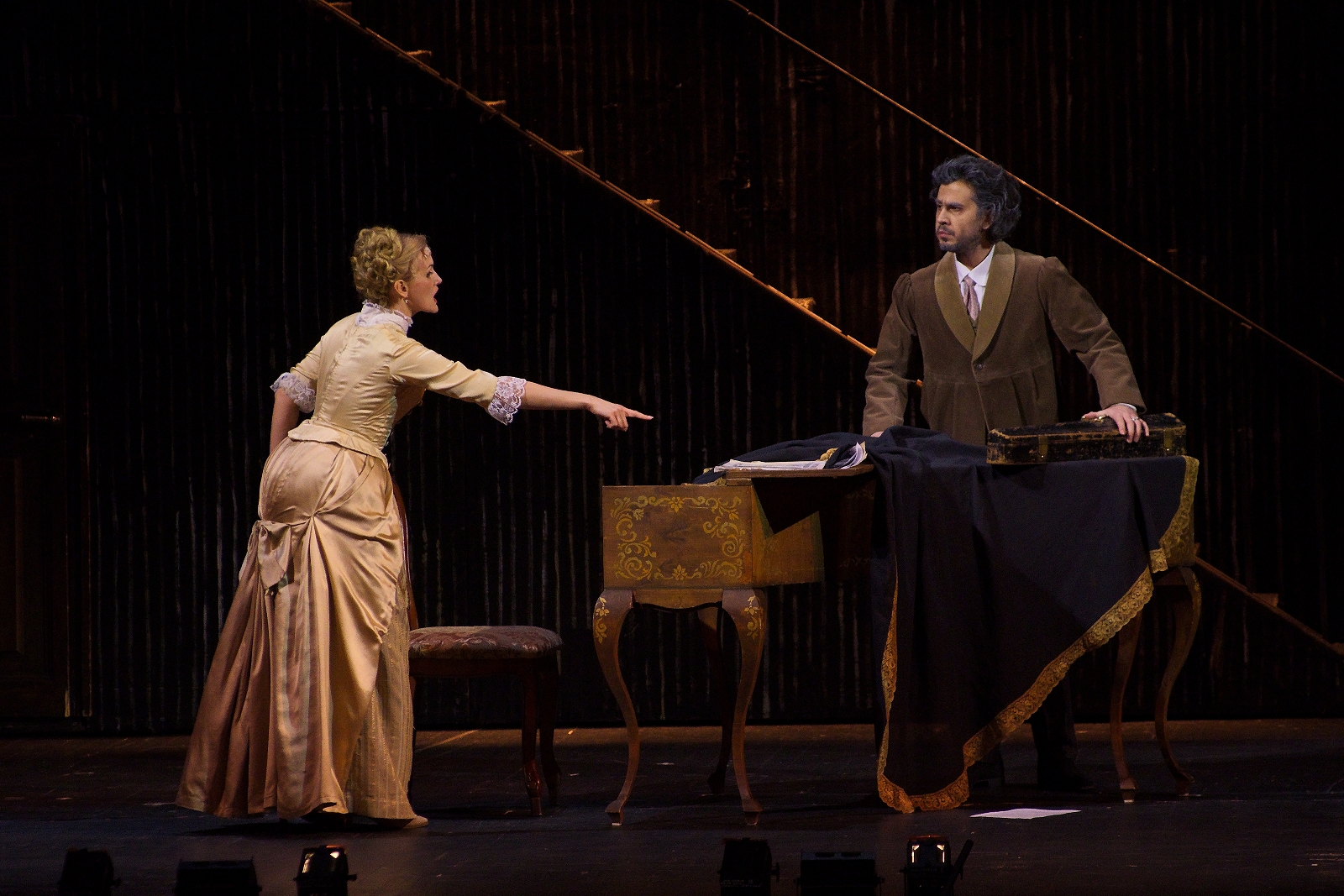
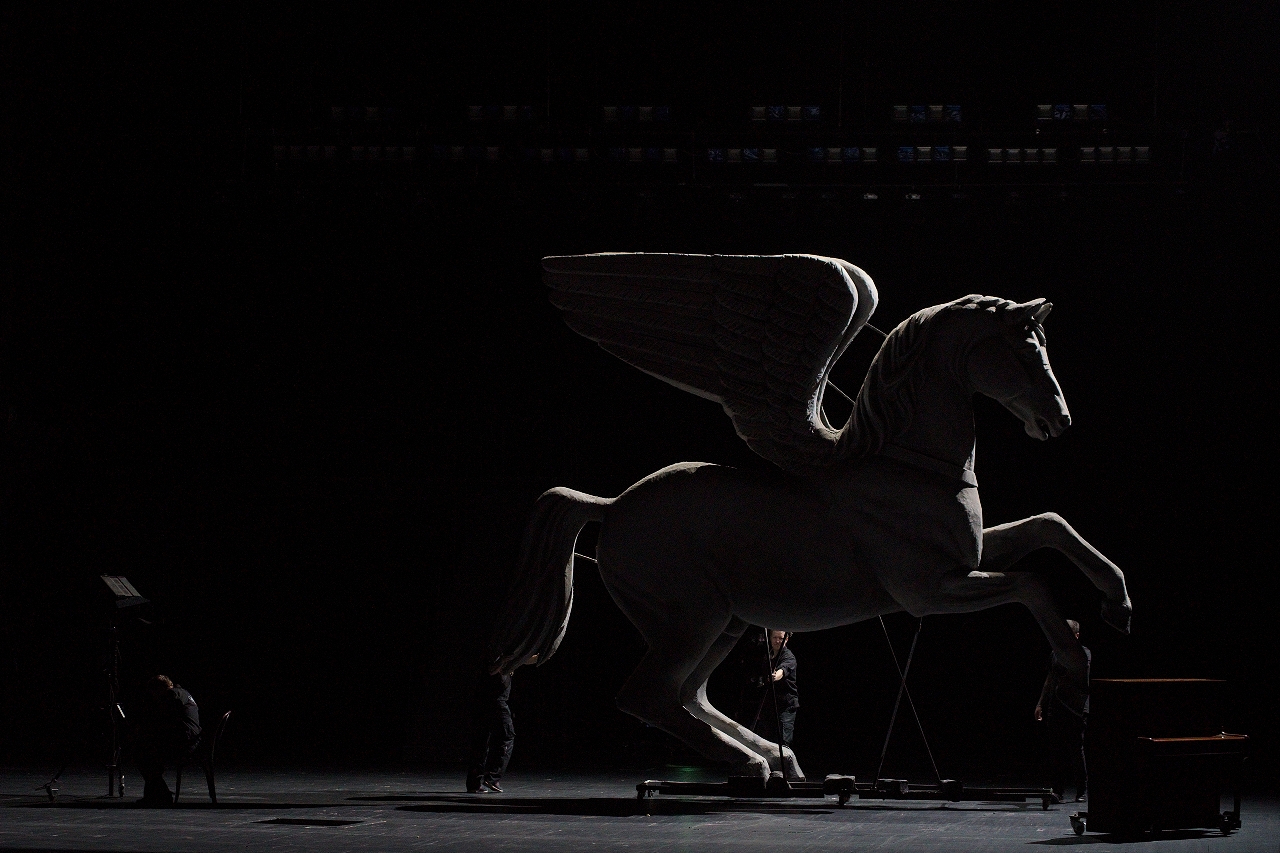
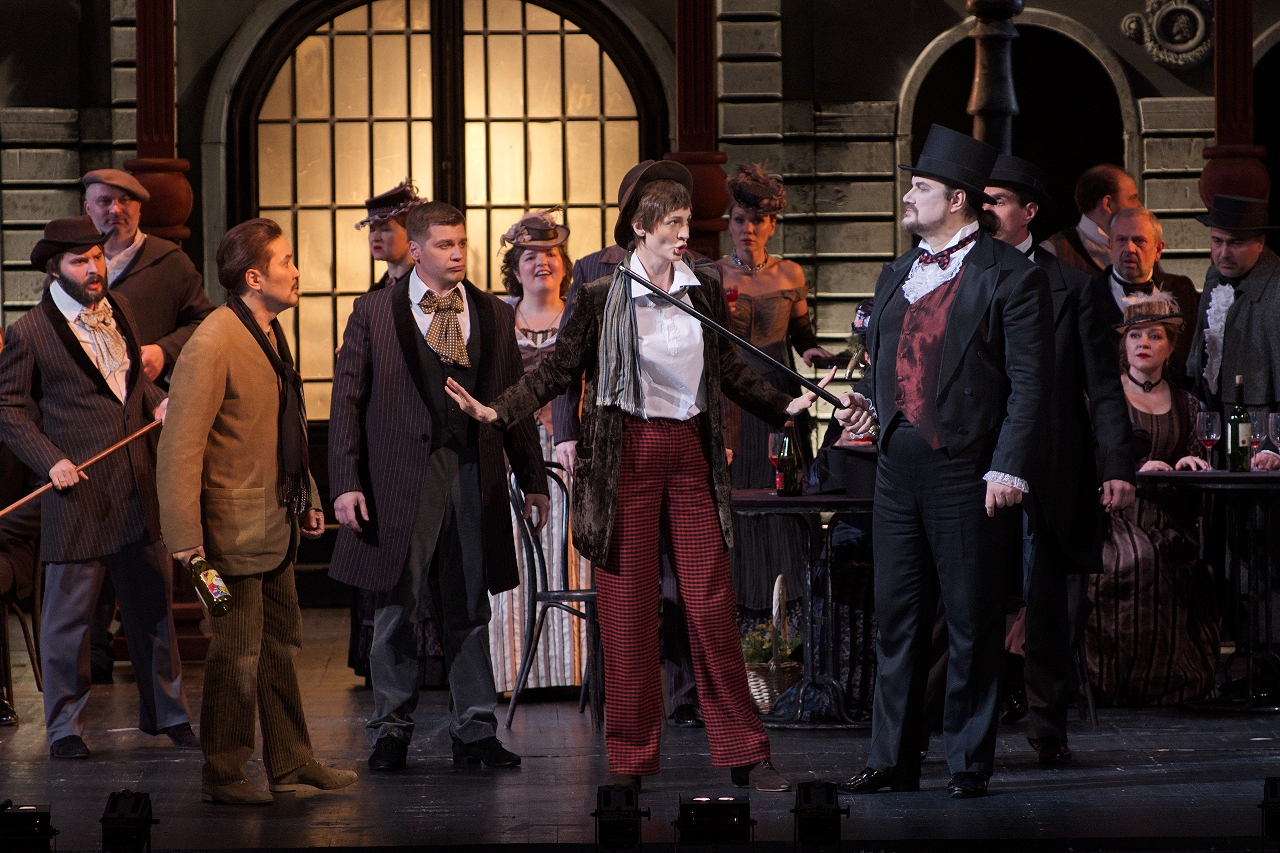
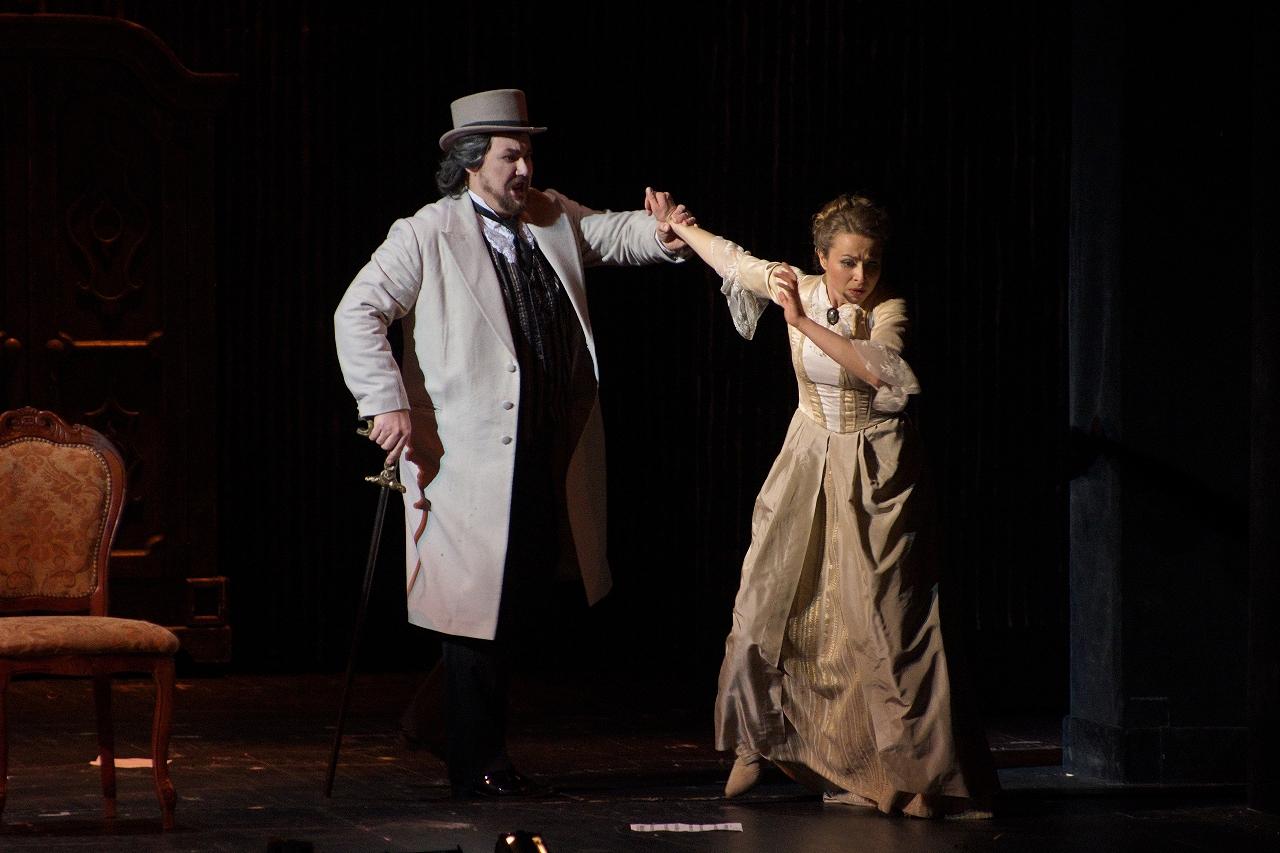
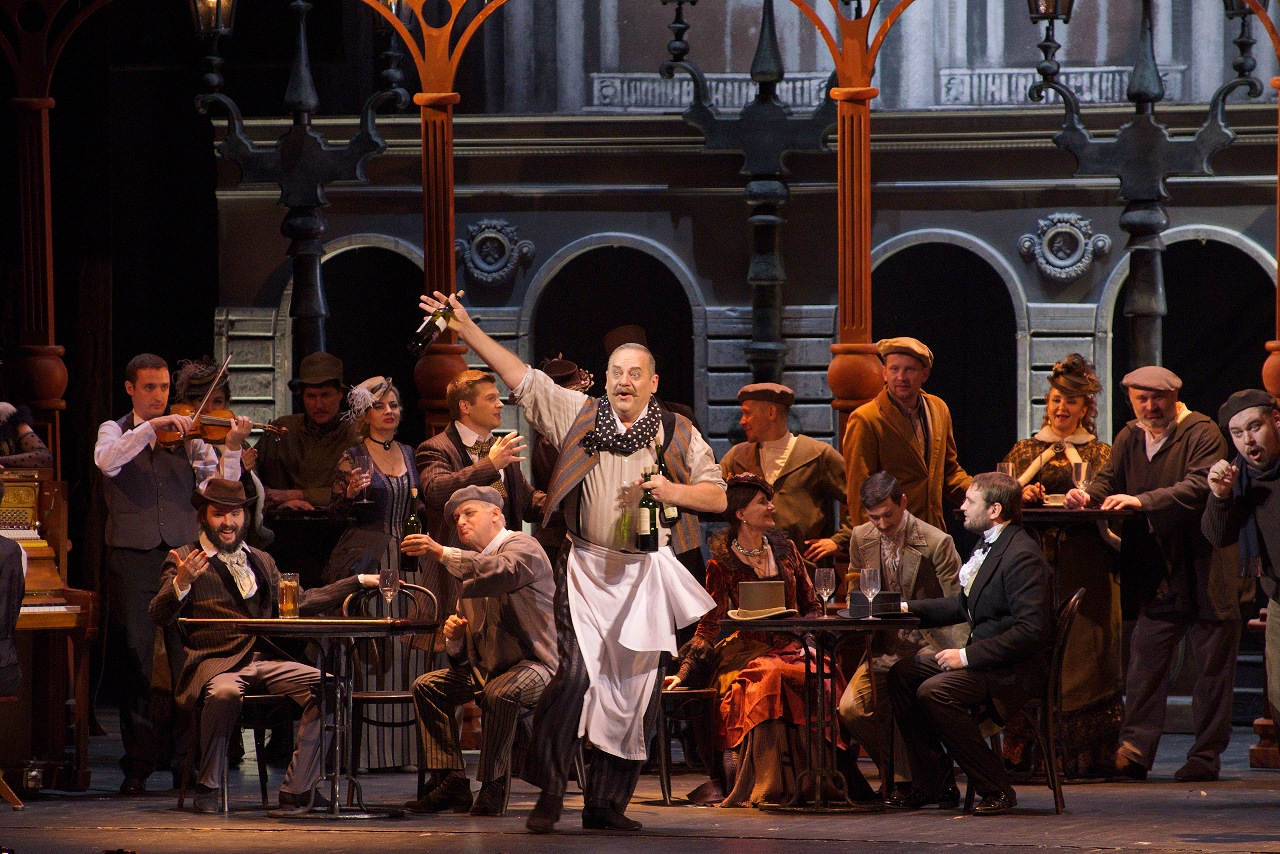
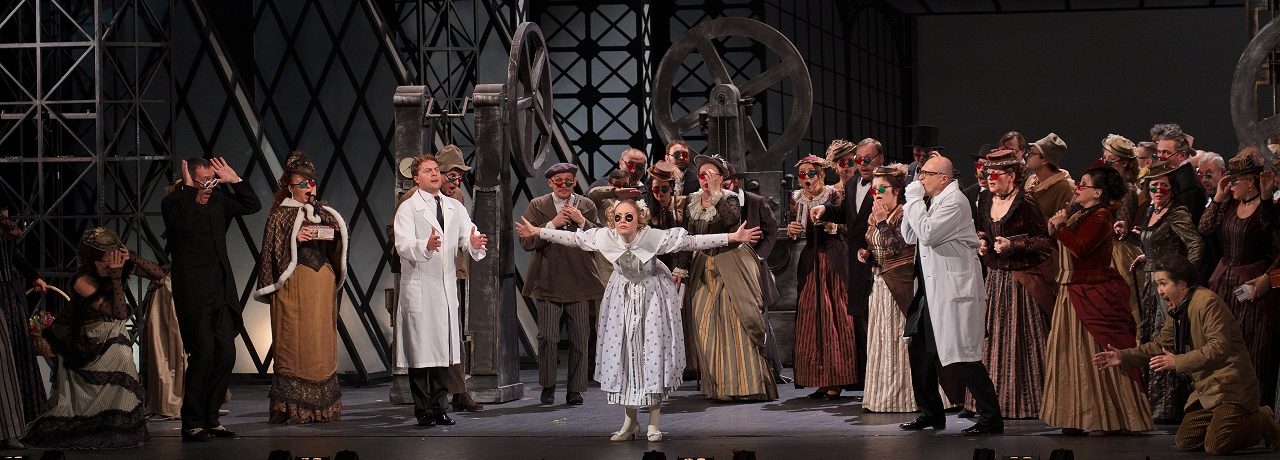
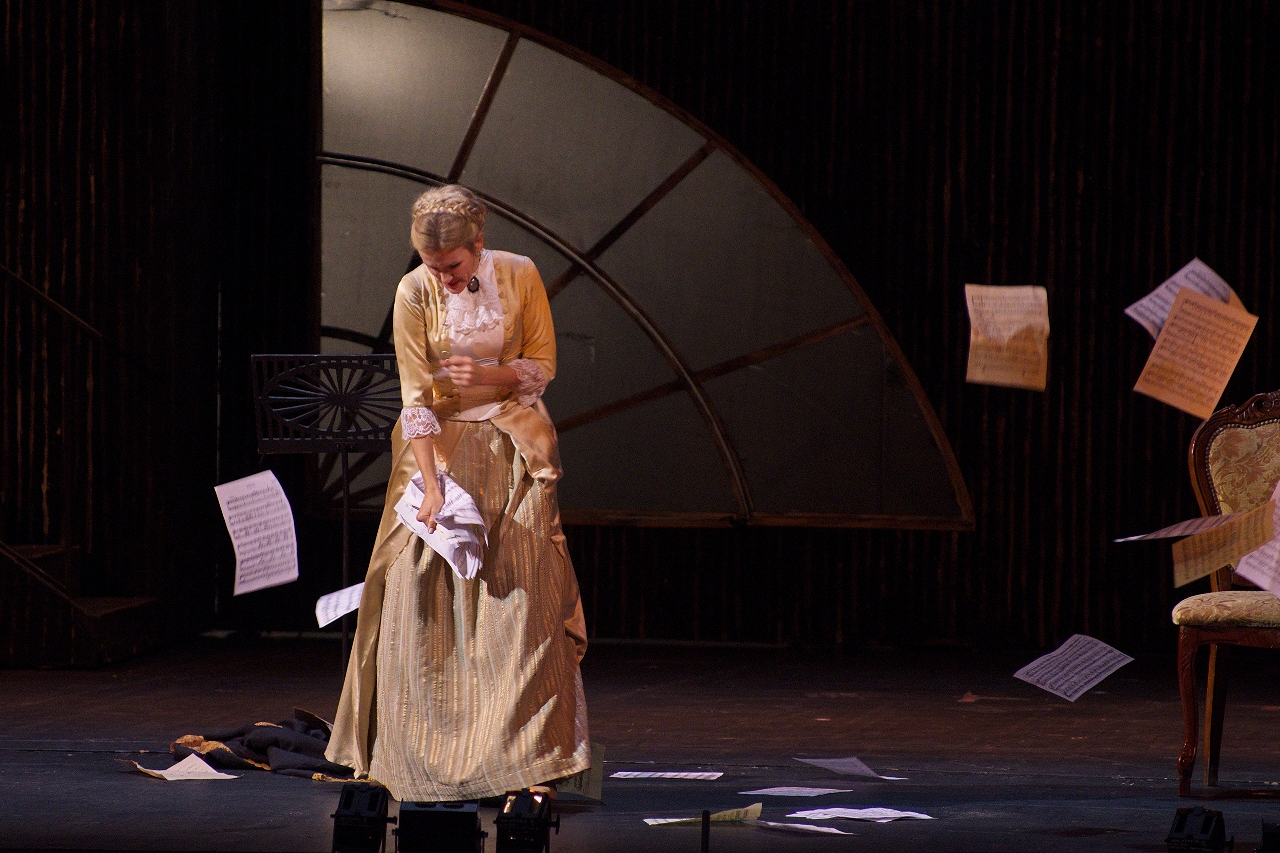
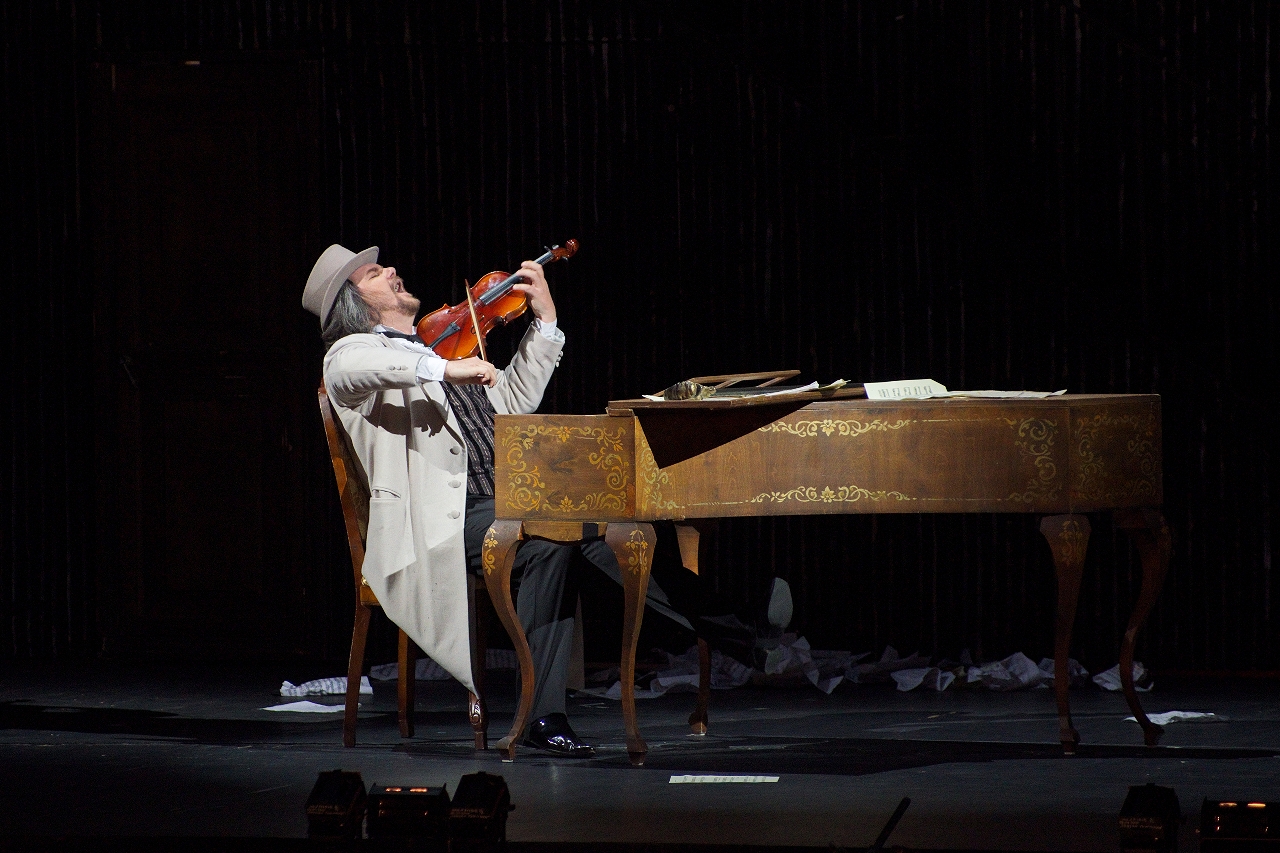
Performed in French Premiere of this production: 05 May 2011 The performance has 1 intermission Running time: 3 hours Just 750 metres from the Bolshoi Theatre, the Stanislavsky and Nemirovich-Danchenko Music Theatre presents "Les Contes d'Hoffmann" - Jacques Offenbach’s most mysterious and personal opera, and the only true tragedy in the legacy of the great master of operetta. The performance features outstanding artists who have appeared on the stage of the Bolshoi Theatre and were trained at the same leading academies as Bolshoi soloists. Their shared artistic school guarantees exceptional vocal quality, stylistic refinement and dramatic intensity. The opera "Les Contes d'Hoffmann" occupies a special place in the vast legacy of Jacques Offenbach. It is the only tragic work by the great master of operetta and comic opera. The plot of the opera is based on several novellas by the German Romantic writer Ernst Theodor Amadeus Hoffmann: The Sandman, A New Year’s Eve Adventure, and Councillor Krespel. They are united by an overarching narrative whose protagonists are Hoffmann himself, his beloved Stella, and the demonic villain Councillor Lindorf. In the stories the title character recounts to chance companions, reality is whimsically intertwined with fantasy. At the Stanislavsky and Nemirovich-Danchenko Music Theatre, the music of "Les Contes d'Hoffmann" has been performed many times. In 1946, conductor Yevgeny Akulov and director Pavel Markov staged a production entitled The Poet’s Love. In 1959, the Berlin theatre Komische Oper, a close artistic partner, brought its version of "Les Contes d'Hoffmann" on tour, and in 1987 the Komische Oper ballet company presented a choreographic transcription of Offenbach’s opera. That same year, in 1987, the stage of the Music Theatre hosted guest performances by the Sverdlovsk Opera and Ballet Theatre (now Ural Opera Ballet). "Les Contes d'Hoffmann", staged by conductor Yevgeny Brazhnik, director Alexander Titel, and designer Valery Levental, enjoyed a resounding success. A quarter of a century later, these three outstanding artists reunited to offer an entirely new vision of the same work. Their new "Les Contes d'Hoffmann" - spectacular, dynamic, and poetic—was also warmly received by audiences and the professional community alike: the production became a laureate of the Golden Mask Award as the best opera production of the season. SynopsisPrologue A café near the theatre, a favorite haunt of the writer, artist, and musician Hoffmann. It is lively and noisy here, a place where one can forget life’s troubles. Tonight, Mozart’s Don Giovanni is being performed at the theatre. Donna Anna is sung by the opera prima donna Stella. She has sent Hoffmann, who is in love with her, a note with the key to her dressing room. The note, however, is intercepted by Councillor Lindorf, who is also seeking Stella’s favor. Hoffmann enters with his loyal companion Nicklausse. The regulars of the café look forward to an entertaining evening: Hoffmann is famous for his inexhaustible wit. At his friends’ request, he sings a humorous song about Kleinzach. Yet Hoffmann’s thoughts are fixed on Stella. He begins to mix up the verses, singing now not about Kleinzach but about his beloved. One of the poet’s friends, Nathanael, assures everyone that Hoffmann is once again in love. Hoffmann merely laughs it off. The previously silent Lindorf joins the conversation. He doubts whether Hoffmann is capable of loving anyone at all. Stung by the remark, Hoffmann is ready to tell the story of his romantic passions. Giving free rein to his imagination, he seems to be trying to unravel who Stella truly is, and what kind of woman embodies for the poet “three souls, three hearts.” Hoffmann begins his tale, drawing everyone around him into the action. First Tale: Olympia The inventor Spalanzani, with the help of the mysterious optician Coppélius, has created an extraordinary young woman, Olympia. Hoffmann has seen her only once, at a window—but that is enough: the poet is in love. Hoping to become acquainted with Olympia, Hoffmann begins taking physics lessons from Spalanzani. Coppélius suddenly appears to collect the money Spalanzani still owes him for his work. To get rid of him, Spalanzani gives Coppélius a cheque drawn on a failed bank. Coppélius, in turn, manages to sell Hoffmann a pair of magic spectacles. When Hoffmann puts them on, Olympia appears even more beautiful to him. The time comes to demonstrate Olympia’s talents. The guests listen to the charming little song she performs for them. Hoffmann is enchanted by her voice and declares his love. Olympia responds only in monosyllables—but the magic spectacles do their work… The furious Coppélius returns. Realizing that Spalanzani has deceived him, he decides to take revenge. The dancing begins. Olympia spins faster and faster. Hoffmann can no longer keep up with the frenzied dance. The guests are delighted with the evening. Suddenly, a scandal breaks out: Coppélius has destroyed Olympia. Hoffmann is devastated—he realizes that he has been in love with an automaton. Second Tale: Giulietta Venice. Hoffmann and Nicklausse are spending time in the company of the actress and courtesan Giulietta. Schlemil, Giulietta’s lover, is jealous of her attention to Hoffmann. The poet, however, believes himself indifferent to Giulietta’s charms: “Can one really love courtesans?” These words are overheard by Dapertutto. He orders Giulietta to seduce Hoffmann and steal his reflection with the help of a magic diamond. Once Hoffmann loses his reflection, he will fall under Dapertutto’s power, just as Schlemil has. Obedient to this evil will, Giulietta conquers Hoffmann and takes his reflection. In order to seize the key to Giulietta’s bedroom, Hoffmann fights a duel with Schlemil and kills him. He rushes after the courtesan, but sees only a gondola disappearing into the distance: Giulietta has chosen a new lover, Pitichinaccio. Third Tale: Antonia The home of the violin maker Crespel in a provincial German town. He has secretly brought his daughter Antonia here. She dreams of the stage and has inherited from her mother—a famous singer—a unique voice. But along with this gift, Antonia has also inherited the painful illness that claimed her mother’s life. Singing can hasten the tragic outcome. Crespel hopes to hide his daughter both from the sinister Doctor Miracle, who destroyed her mother, and from the influence of Hoffmann, who is in love with Antonia and has encouraged her musical pursuits. But Hoffmann finds Antonia. So does Miracle. Hoffmann accidentally overhears a conversation between Crespel and Miracle and learns that Antonia is ill. He makes her promise never to sing again, to forget her dreams of the stage, and to devote her life to family. No sooner has Hoffmann left than Miracle appears. He tempts Antonia with visions of the glory of a celebrated singer, of flowers and applause. Antonia imagines that her mother is calling her to the stage. To Miracle’s infernal accompaniment, she sings with ever greater passion and fervor, and soon collapses dead. Crespel vainly tries to save his daughter. Epilogue Hoffmann’s tale is finished. The performance in the theatre is over as well. Stella enters the café, but she searches in vain for Hoffmann… Les contes d'Hoffmann (The Tales of Hoffmann) is an opéra by Jacques Offenbach. The French libretto was written by Jules Barbier, based on short stories by E. T. A. Hoffmann, who is the main protagonist in the opera (as he is in the stories). Barbier, together with Michel Carré, had written a play, Les contes fantastiques d'Hoffmann, produced at the Odéon Theatre in Paris in 1851, which Offenbach had seen. The stories upon which the opera is based are "Die Gesellschaft im Keller", "Der Sandmann" ("The Sandman", 1816), "Rath Krespel" ("Councillor Krespel", also known in English as "The Cremona Violin", 1818), and "Das verlorene Spiegelbild" ("The Lost Reflection") from Die Abendteuer der Sylvester-Nacht (The Adventures of New Year's Eve, 1814). The "Chanson de Kleinzach" aria in the Prologue is based on the short story "Klein Zaches, genannt Zinnober" (1819). The opera was first performed in a public venue, without the 'Giulietta' act, at the Opéra-Comique on 10 February 1881. It had been presented in an abridged form at the house of Offenbach, 8 Boulevard des Capucines, on 18 May 1879, with Madame Franck-Duvernoy in the soprano roles, Auguez as Hoffmann (baritone) and Émile-Alexandre Taskin in the four villain roles, with Edmond Duvernoy at the piano and a chorus directed by Albert Vizentini. As well as Carvalho of the Opéra-Comique, the director of the Ringtheater in Vienna, Franz von Jauner, was also present, and a four-act version with recitatives was staged there on 7 December 1881, although a gas explosion and fire occurred at the theatre after the second performance. The opera reached its hundredth performance at the Salle Favart on the 15 December 1881, but the fire at the Opéra-Comique in 1887 destroyed the orchestral parts, and it was not seen again in Paris until 1893 at the Salle de la Renaissance du Théâtre-Lyrique when it received 20 performances. A new production by Albert Carré (including the Venice act) was mounted at the Opéra-Comique in 1911, with Léon Beyle in the title role and Albert Wolff conducting; this remained in the repertoire until the Second World War, reaching 700 performances of the piece at the theatre. Following a recording by Opéra-Comique forces in March 1948 Louis Musy created the first post-war production in Paris, conducted by André Cluytens. The Paris Opera first staged the work in October 1974, directed by Patrice Chéreau with Nicolai Gedda in the title role. Outside France, the piece was mounted in Geneva, Budapest, Hamburg, New York and Mexico in 1882, Vienna (Theater an der Wien), Prague and Anvers in 1883 and Lvov and Berlin in 1884. Later local premieres included Buenos Aires in 1894, St Petersburg in 1899, Barcelona in 1905 and London in 1910. | ||||||||||