
New Stage
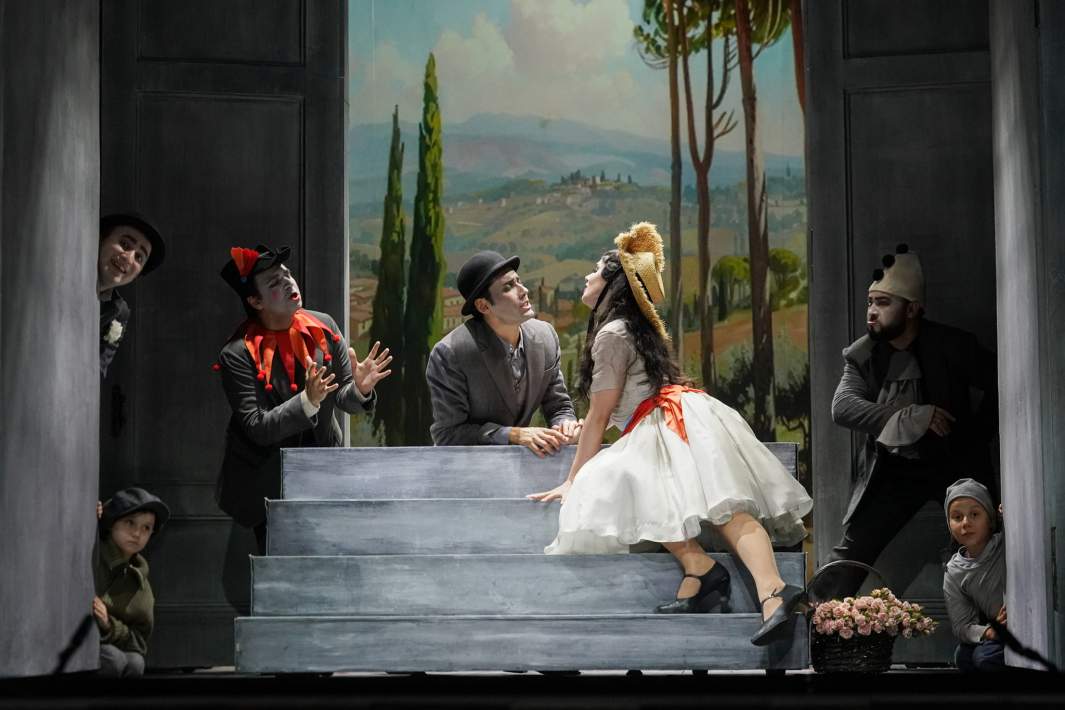
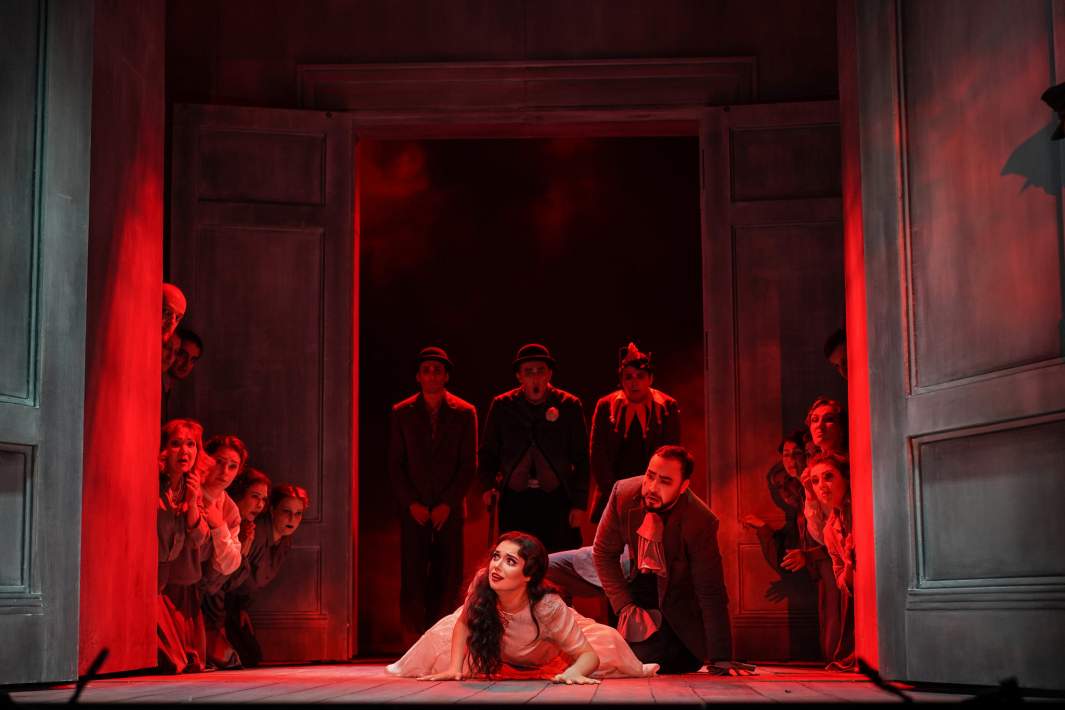
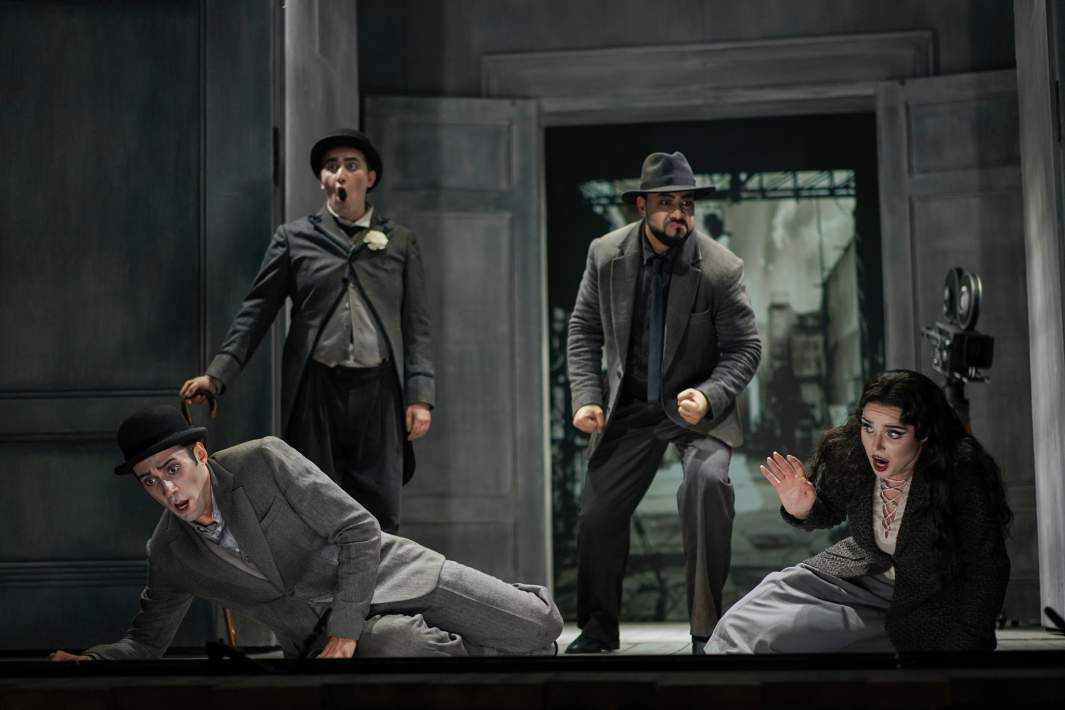
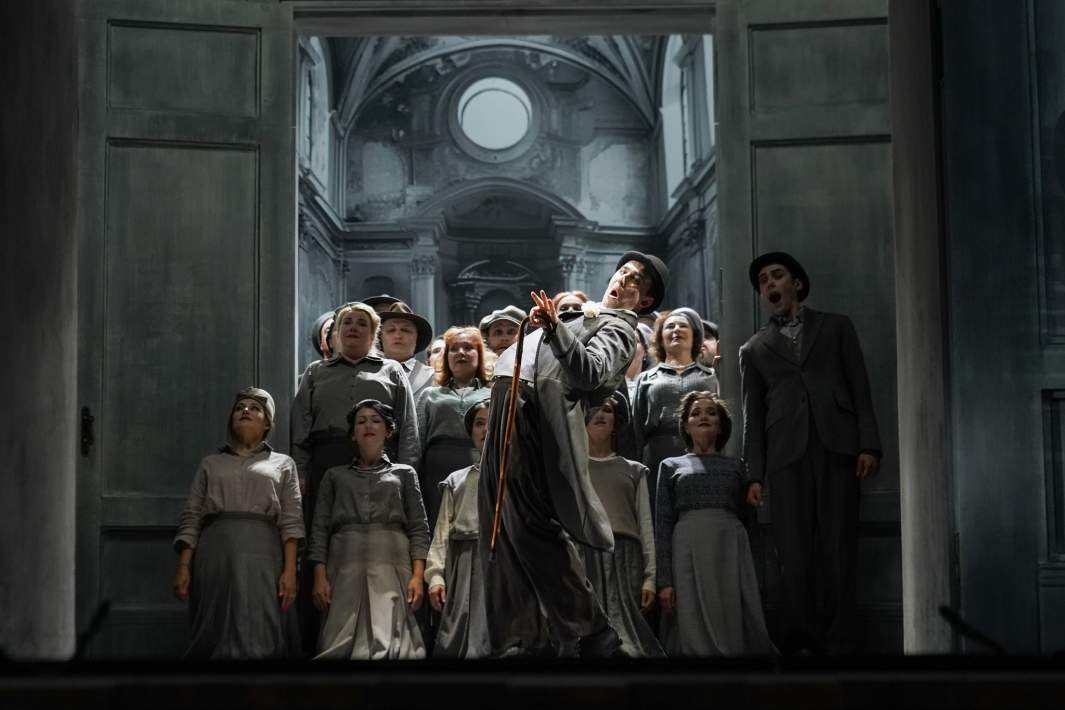
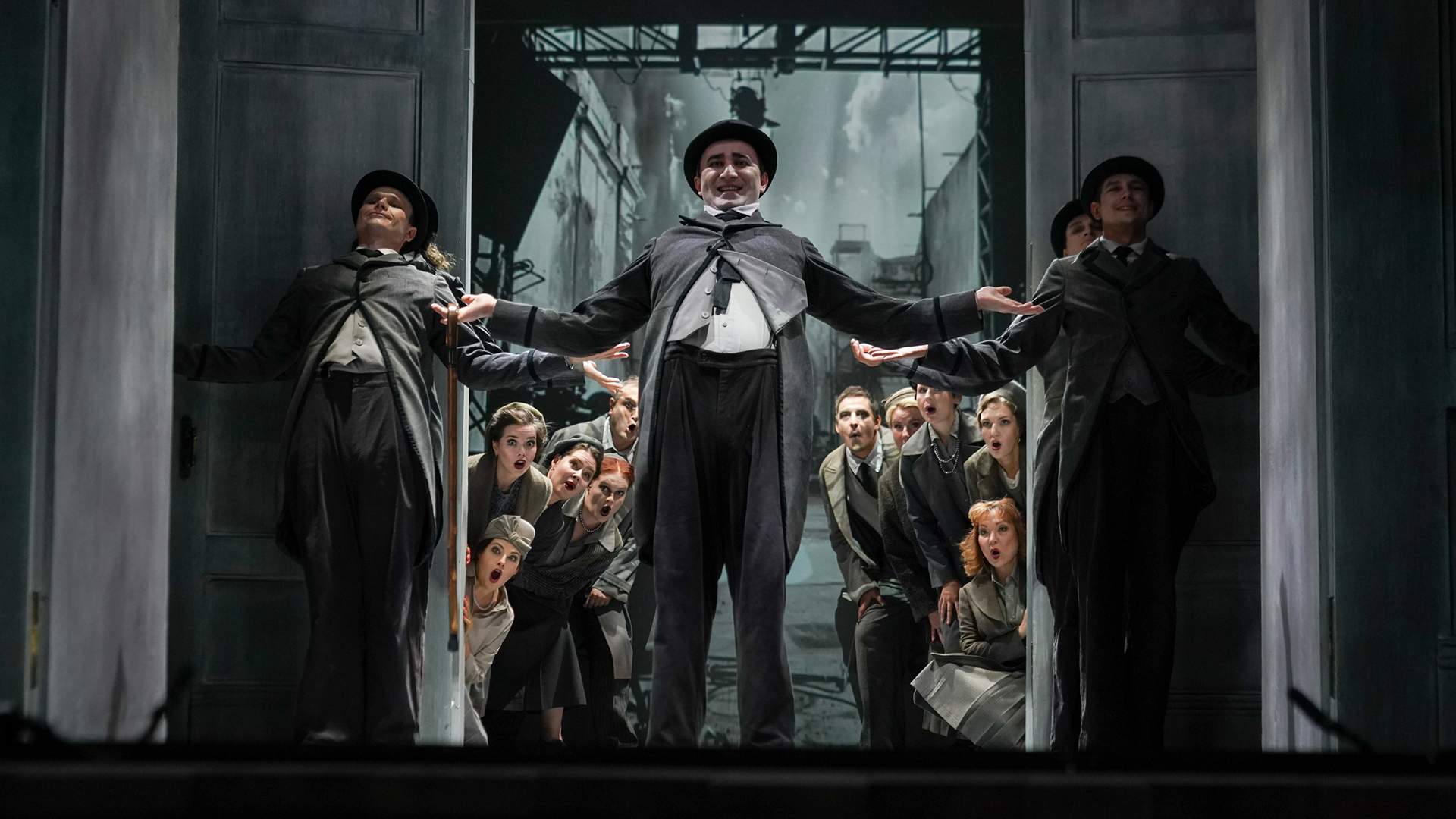
Performed in Italian Premiere of this production: 11 Jul 2024 Running time: 1 hour 30 minutes Leoncavallo went down in music history as one of the leading representatives of verismo, a movement in Italian literature and art that flourished from the final quarter of the 19th century through the first quarter of the 20th century. Inspired by the tremendous success of Pietro Mascagni’s Cavalleria rusticana, which premiered in 1890 at the Teatro Costanzi, now the Teatro dell’Opera di Roma, the composer began work on an opera similar in spirit and subject: Pagliacci. The opera was completed in 1892 and premiered in May of the same year at Milan’s Teatro Dal Verme. Arturo Toscanini himself conducted the premiere. Still very young but already renowned, the future star was joined by some of the outstanding singers of the day, representing both the Italian and French schools: Adelina Stehle (Nedda), Fiorello Giraud (Canio), Francesco Daddi (Peppe), Mario Ancona (Silvio) and Victor Maurel (Tonio). It was the latter who gave the opera the title under which it is still known today. The work was originally called Pagliaccio (“The Clown”), but after Maurel objected that his character had effectively been left “out of the picture”, Leoncavallo changed the title to the plural Pagliacci (“The Clowns”). In the Russian Empire, the opera was initially performed in Russian. The Russian-language version, translated by Nikolai Spassky, was first heard in Moscow in January 1893. The production featured artists of the first Russian opera company founded by singer and teacher Ippolit Pryanishnikov, who himself sang Tonio at the Russian premiere. He was joined by Bolshoi Theatre soloists Pavel Koshits (Canio), Alma Fostrom (Nedda) and Georgy Verge (Silvio). The conductor was Joseph Pribik. The opera was first performed in its original language in Moscow a year later, in January 1894, by the company of theatrical impresario Ivan Zazulin. Pagliacci has a distinguished history at the Bolshoi Theatre, with five productions and more than one hundred performances. Its first performance took place in November 1893, in Spassky’s Russian translation. The production team consisted entirely of legendary figures: conductor and stage director Ippolit Altani, director Anton Bartzal and set designer Karl Waltz. Subsequent productions were staged during the Soviet era. In November 1923, the production was created by Mieczysław Domashchevich (conductor and stage director), Vladimir Knipper-Nardov (director) and Mikhail Sapegin (set designer). In March 1957, the production team included Vasily Nebolsin, Yuri Petrov and Yuri Pimenov. In April 1982, the opera was presented in concert performance in Italian under the direction of Algis Zhuraitis. In July 1985, the theatre presented its own Russian-language version of Pagliacci, based on translations by Pryanishnikov and Yuri Dimitrin, with Algis Zhuraitis as conductor and stage director, Semyon Stein as director and William Klementiev as set designer. In 2024, after a break of more than forty years, this “manifesto of verismo” returned to the Bolshoi Theatre. Having survived countless successful productions around the world, Pagliacci has become a truly timeless opera whose plot and musical language continue to appeal to contemporary audiences. Leoncavallo wrote the libretto himself, basing it on a real-life story that was well known to his family. According to the composer’s recollections, his father, a judge, had presided over a similar case. The realistic depiction of everyday life, heightened by the vivid emotions of people pushed to the limit – whether tears of joy or sorrow, nervous hysterical laughter or carefree happiness – together with the accessibility and universality of the musical language, though by no means its simplicity, became defining features of verismo opera. These qualities helped ensure its enduring appeal to opera houses in Russia and around the world. Hans-Joachim Frey, the renowned theatre director and director of the current production at the Bolshoi Theatre’s Chamber Stage, has moved the action of Pagliacci to the era of silent cinema. “When the period of musical verismo began, the technological development of cinema began at the same time,” he explains. “It was an extraordinary and fascinating era. Soon the first comedy films appeared, featuring such stars as Buster Keaton, Stan Laurel, Oliver Hardy and Charlie Chaplin. Presenting the opera in the style of silent cinema gives it a special resonance, because even today we continue to watch films made a hundred years ago and still laugh and enjoy them. So, if you have an opera about the most famous clown, Pagliaccio, placing it in the era of Charlie Chaplin and his contemporaries demonstrates that a century-old film and a century-old opera can both remain relevant. That is because the essential things – comedy, tragedy and reality – are closely connected, indeed almost inseparable. That is what we wanted to convey and show on stage.” SynopsisIt’s 1910 and a silence movie team is on the film set where they prepare their next production: they rehearse and shoot a film. It’s a work between production, preparing, comedy, tragedy, reality and film illusion. | |||||||||||