Stanislavsky Theatre
| 26 March |
| 19:00 |
| 2026 | Thursday |
|
Russian Opera Stars at the Stanislavski Theatre
Alexander Dargomyzhsky "Rusalka" Opera in two acts Opera |
|
Performed in Russian The performance has 1 intermission Running time: 3 hours 15 minutes
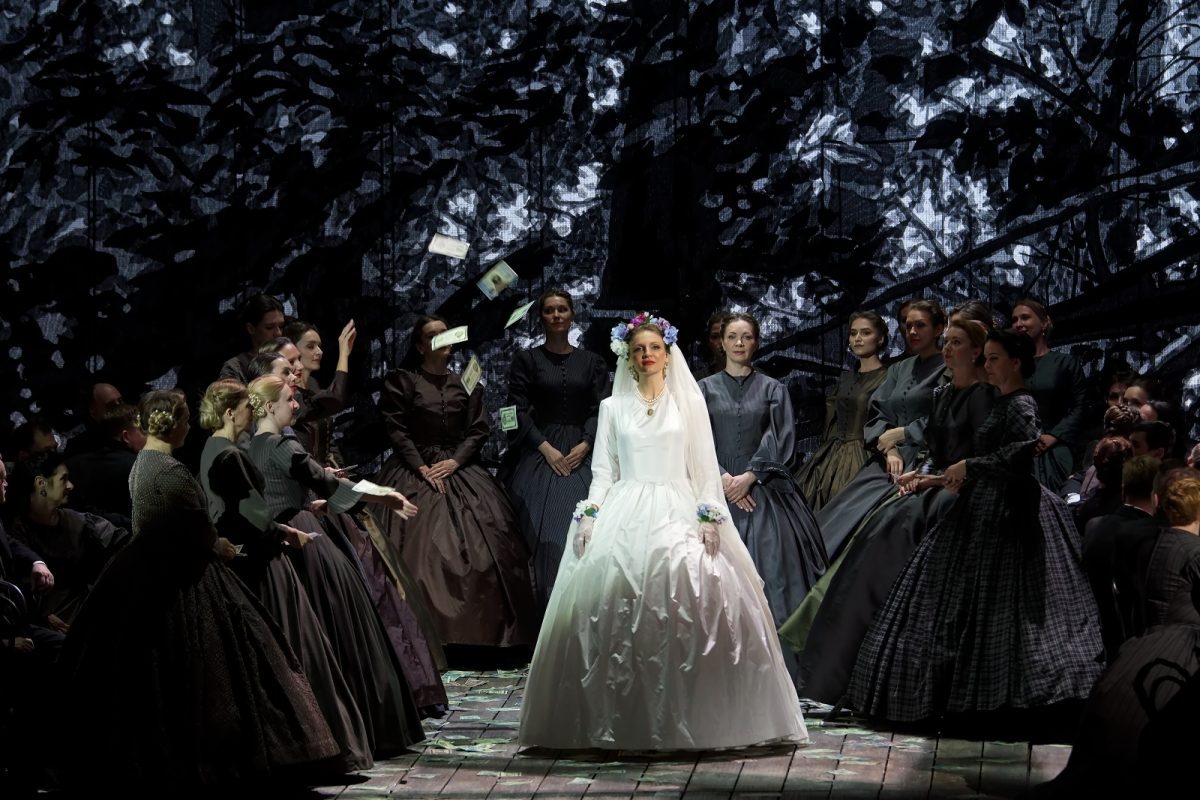
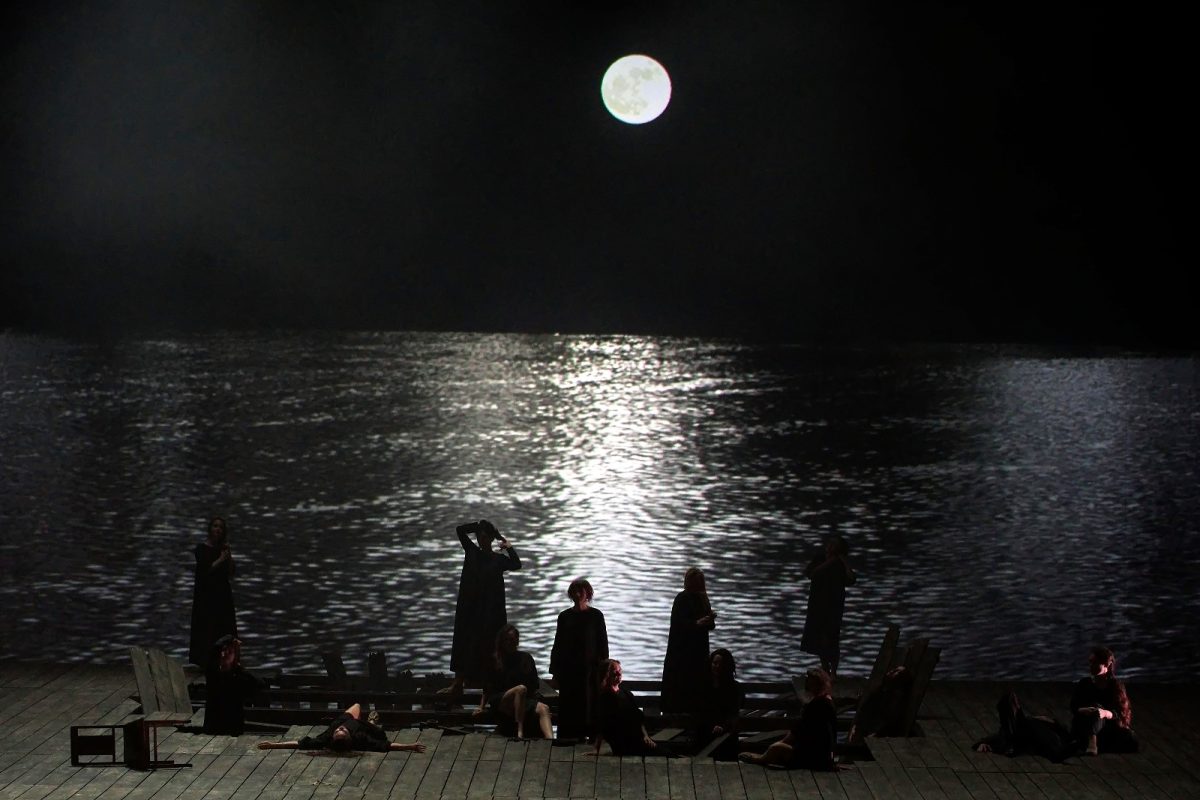
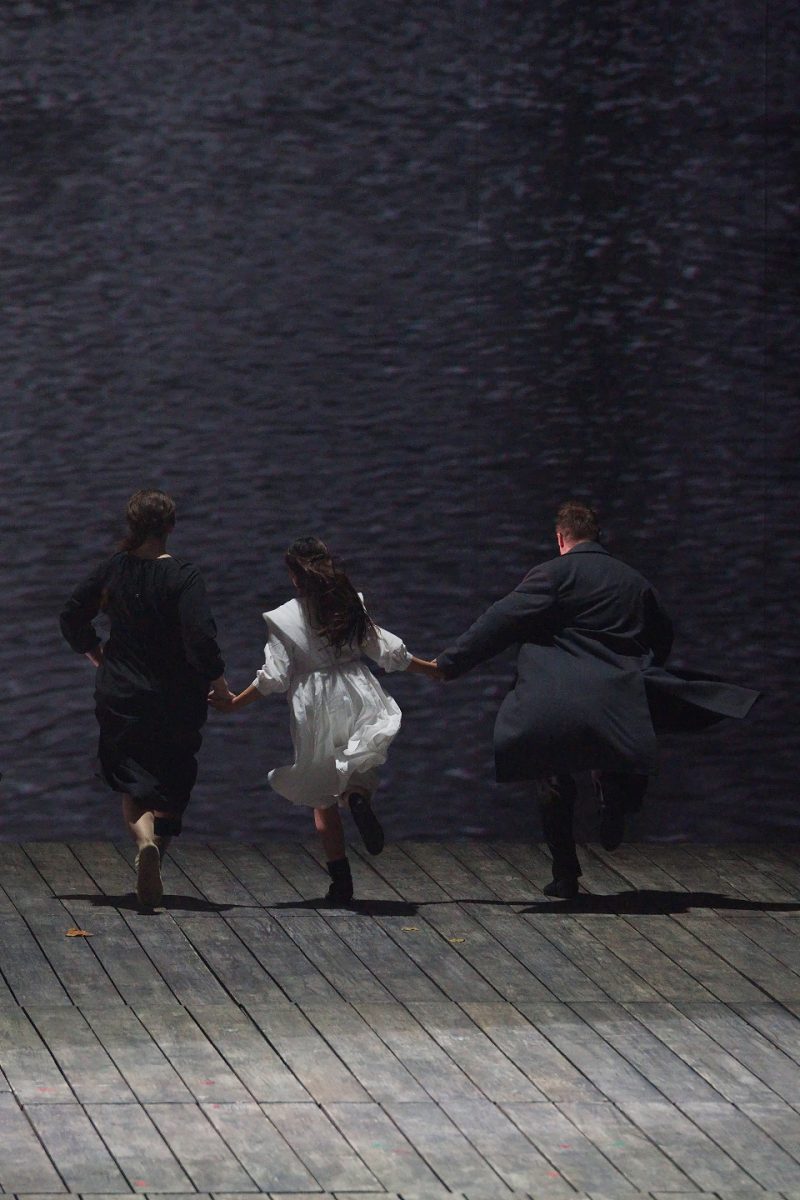
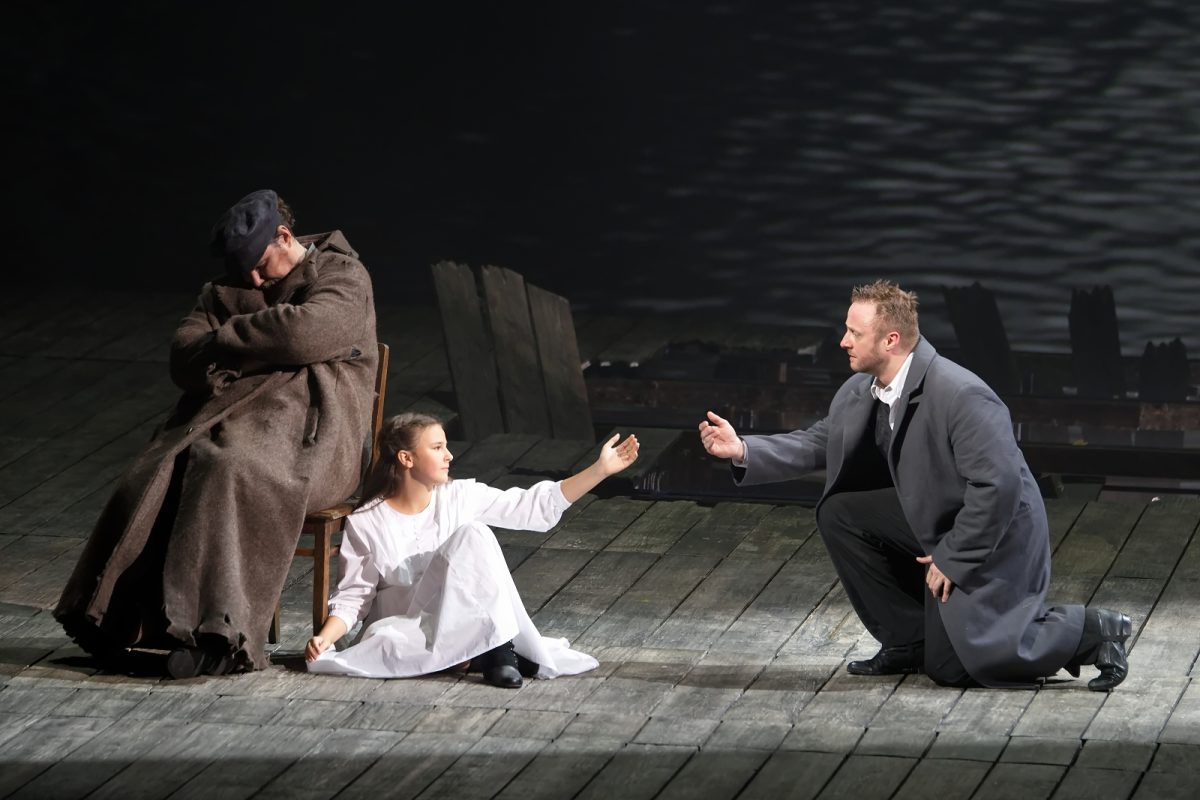
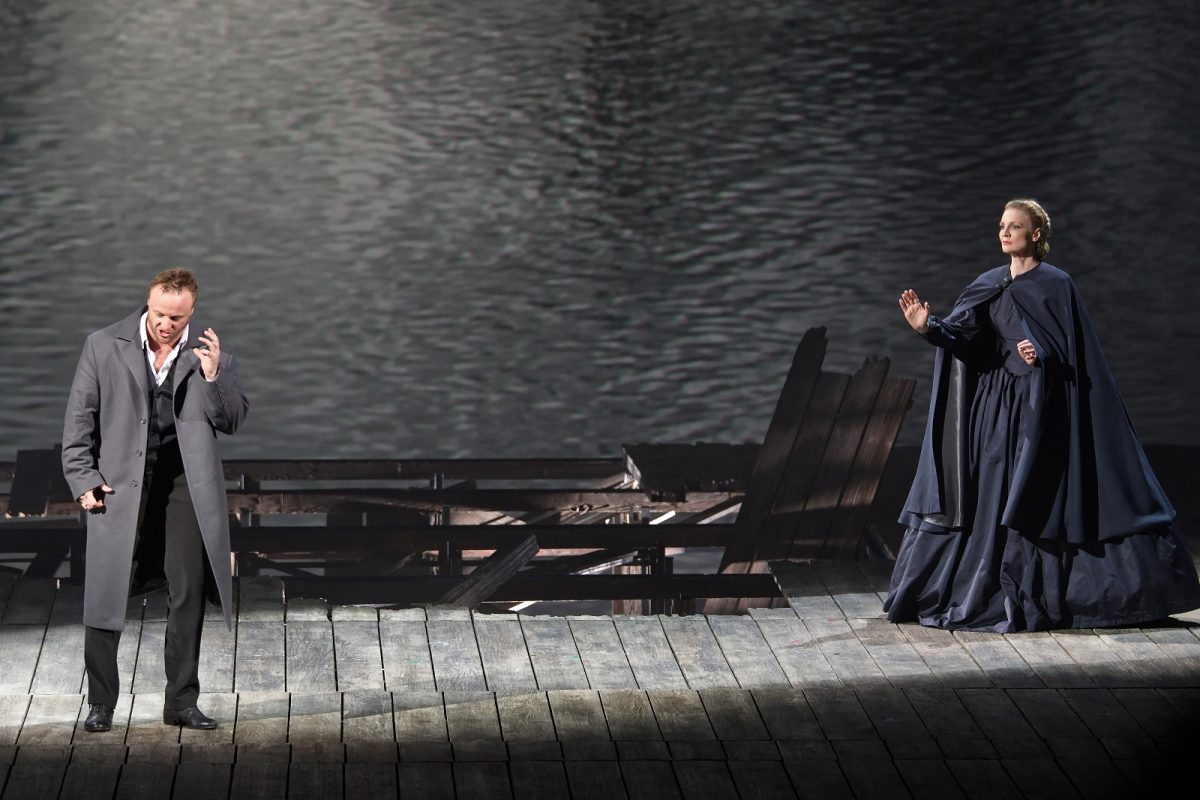
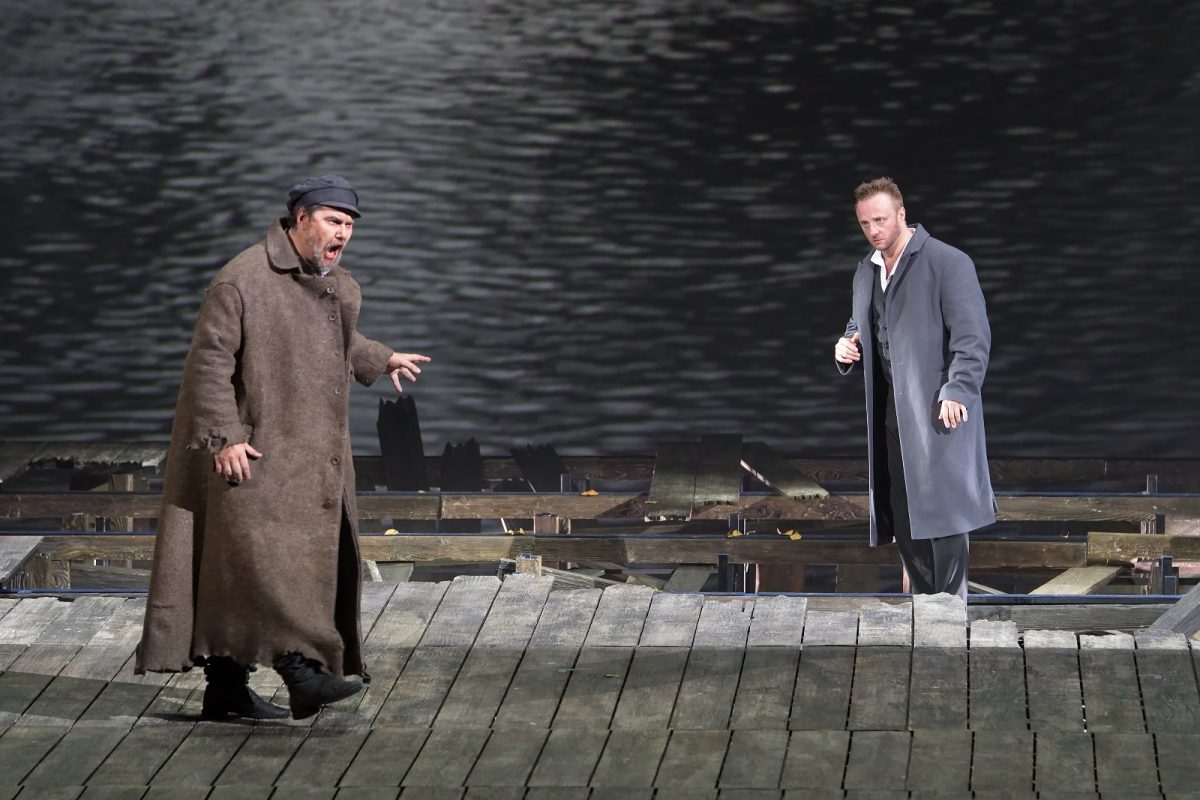
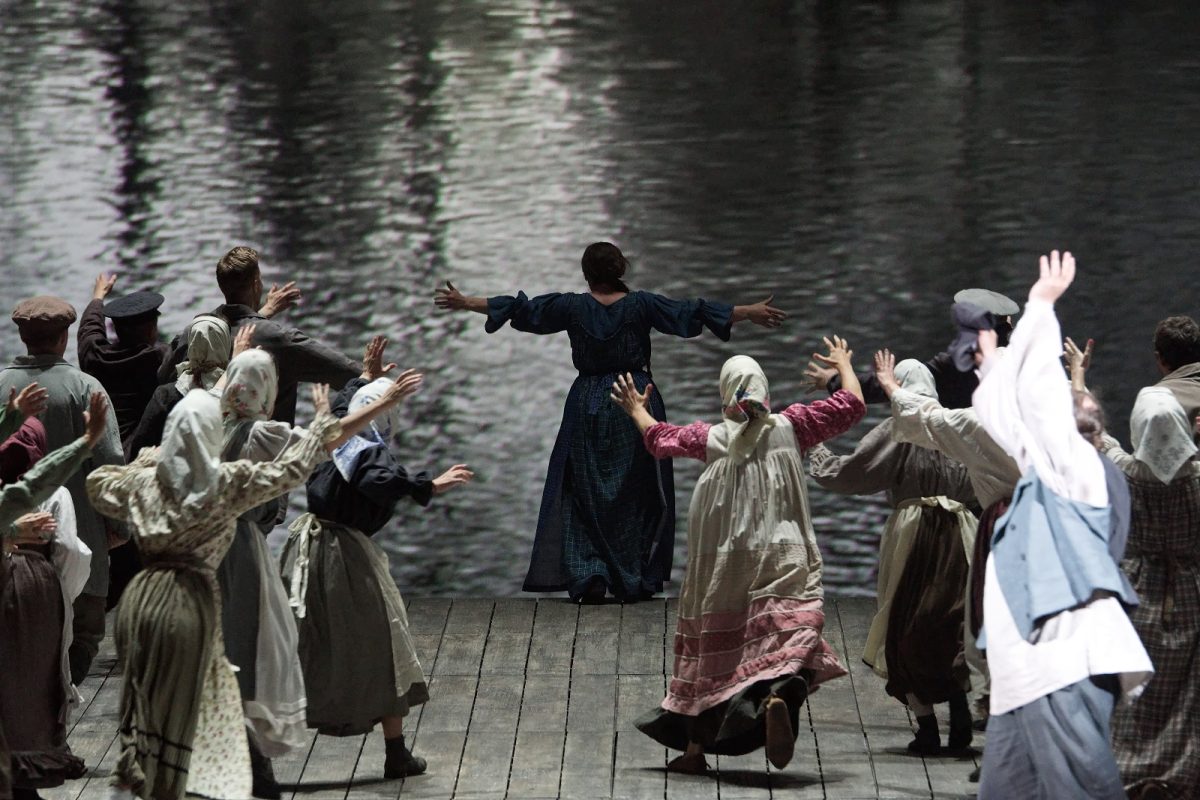
Just 750 metres from the Bolshoi Theatre, the Stanislavsky and Nemirovich-Danchenko Music Theatre invites audiences to discover Alexander Dargomyzhsky’s Rusalka — a landmark of Russian opera brought to life in a psychologically charged production by Alexander Titel. This production is performed by artists of international calibre — singers who have appeared on the stage of the Bolshoi Theatre and were trained at the same leading academies that shaped Bolshoi soloists. Their shared school and experience ensure a rare unity of vocal mastery, dramatic truth and stylistic precision. Based on Alexander Pushkin’s unfinished drama, Rusalka is often called the first Russian lyric-dramatic opera of everyday life. Here there are no mythical heroes in the traditional sense, but recognisable human characters, fragile emotions and moral choices that feel startlingly modern. Titel reads the fantastical world of water spirits as a projection of the human psyche: guilt, regret and unspoken pain turn inner fears into living phantoms.
Dargomyzhsky’s music, combining lyric tenderness, dramatic intensity and subtle folk intonations, unfolds as a continuous psychological narrative, drawing the listener ever deeper into the tragedy of abandoned love and impossible revenge.
Rusalka at the Stanislavsky Theatre is not a museum classic, but a living, emotionally gripping opera — an intimate and powerful alternative to grand spectacle, offered in one of Moscow’s most distinguished opera houses, just steps away from the Bolshoi. SynopsisACT I
Prologue
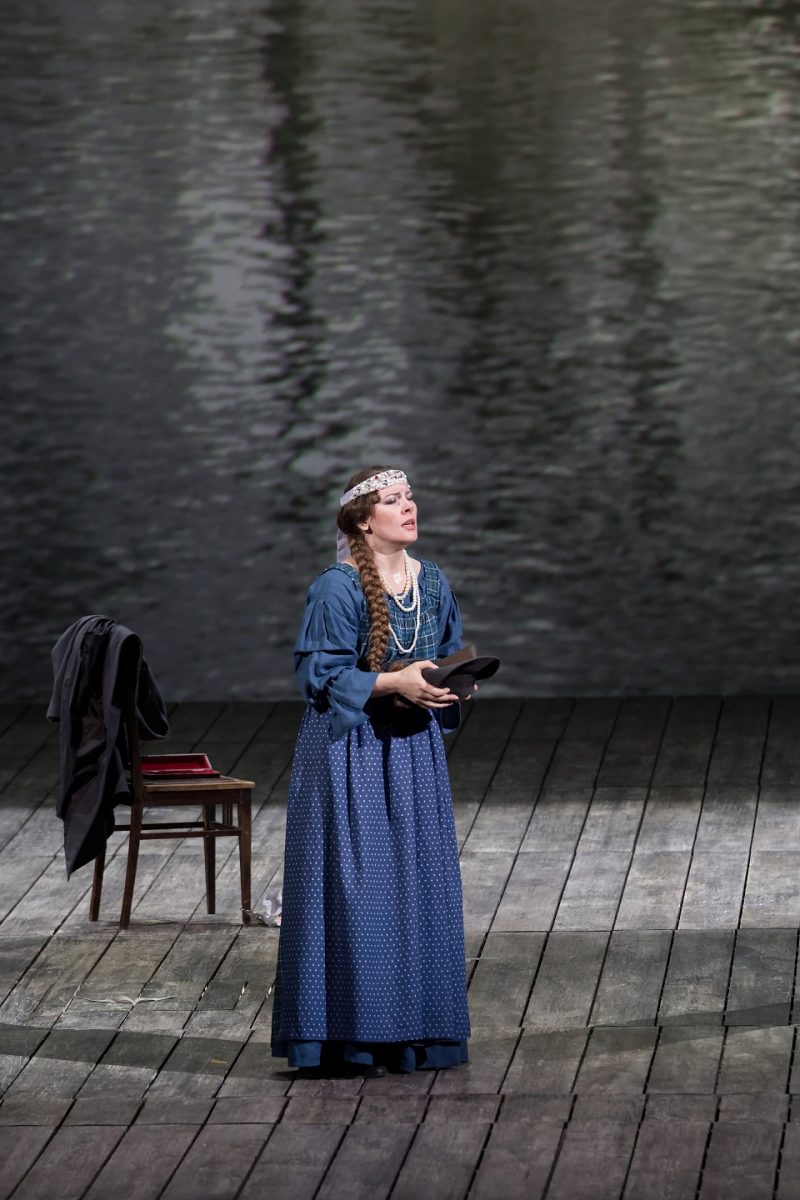
Natasha, the Miller’s daughter and the Prince’s former beloved, once threw herself into the waters of the Dnieper in despair. There she “awoke as a cold and powerful water nymph.” She raises her daughter alone and dreams of taking revenge on the Prince for her betrayed love.
Scene One. The Mill. Twelve Years Earlier
Natasha anxiously awaits her lover, who comes to see her less and less often. The Miller instructs his daughter on how to benefit herself and her family from a relationship with a nobleman. The Prince enters. He is about to marry a woman of his own rank and therefore must part with Natasha forever, but he cannot bring himself to tell her the truth. At last the truth is revealed. Even Natasha’s confession that she is expecting his child does not stop him. Promising “not to abandon” them, he hastily leaves. In despair, Natasha tears off the jewels given to her by the Prince and throws herself into the Dnieper.
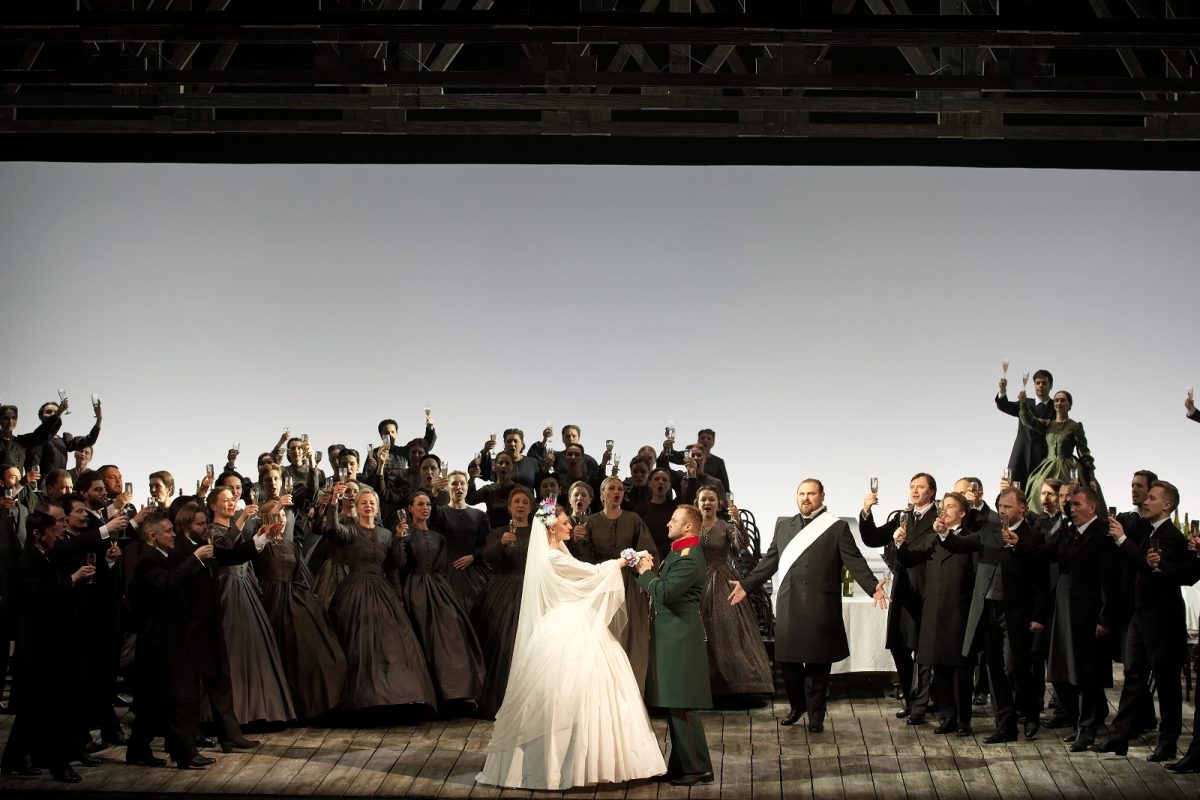
Scene Two. The Prince’s Wedding
The guests praise the newlyweds. Songs give way to dancing. Suddenly, a mournful song is heard. The Prince recognizes Natasha’s voice. Everyone is frightened by this ominous sign.
ACT II
Scene Three. The Ruined Mill
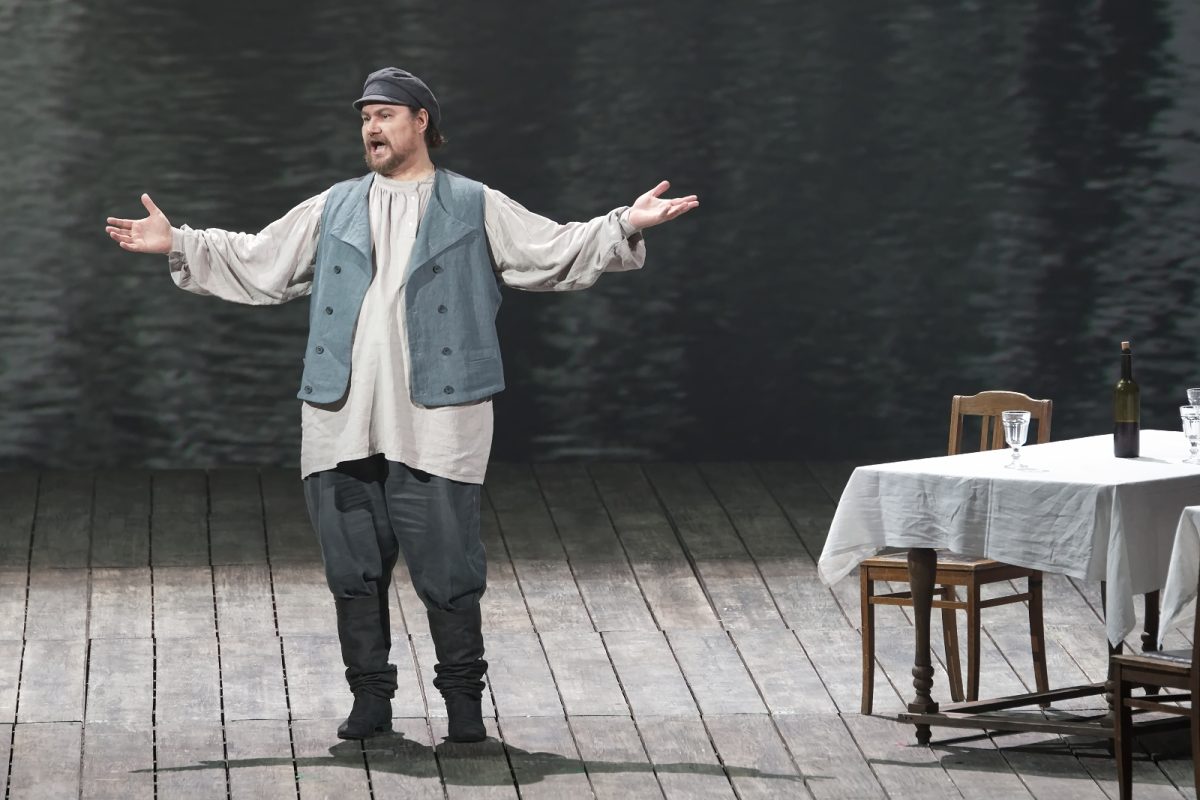
Twelve years have passed since Natasha’s death. The Prince comes to the place where he was once happy. At the ruined mill he meets the Miller, who has gone mad and imagines himself to be a raven. The Prince tries to help the unfortunate man, but the Miller recoils from him in terror.
Scene Four. The Princess’s Chamber
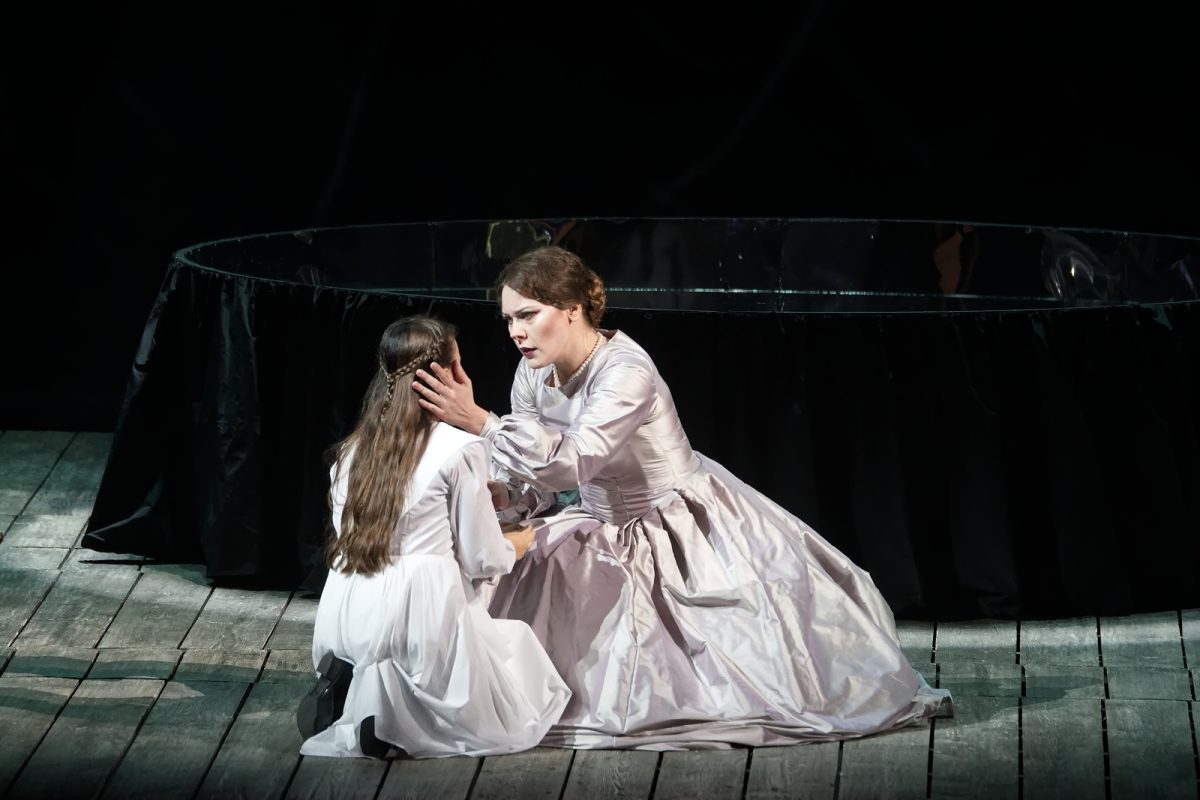
Marriage has brought no happiness to either the Prince or his wife. Everything tells the Princess that her husband loves another woman. Even today he went hunting, ordered everyone to return home, and remained alone himself.
Scene Five. The Ruined Mill
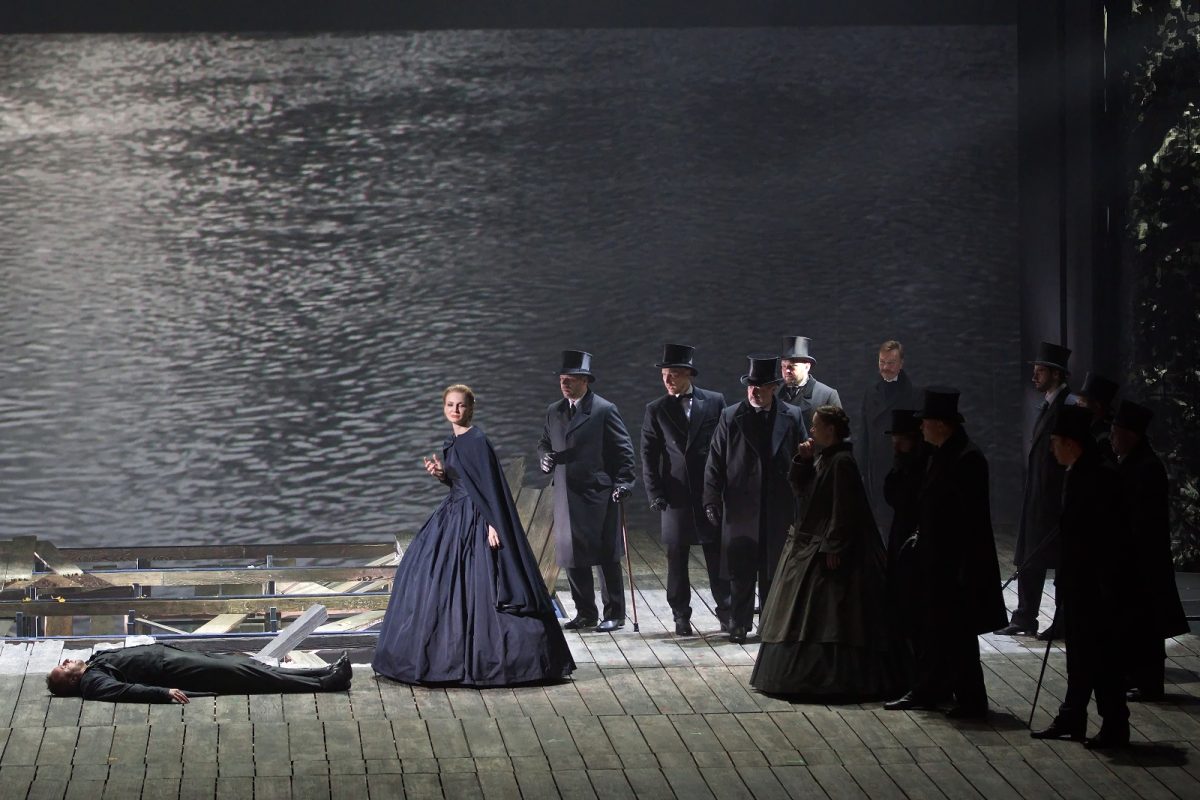
The Princess finds her husband on the riverbank, but it is too late: the Water Nymph appears and calls the Prince to her. The Princess tries to hold him back, but the Prince hears the call of Natasha the Water Nymph and goes to meet his fate.
|
|
Main Stage
Teatralnaya ploschad, 1 (Theatre Square, 1), Moscow, Russia
New Stage
Bol'shaya Dmitrovka Street, 4/2, Moscow, Russia
RAMT
Teatralnaya ploschad, 2 (Theatre Square, 2), Moscow, Russia
|