
Pyotr Tchaikovsky "The Maid of Orleans"
We act as a tickets reseller. The ticket prices may be lower or higher than the face value
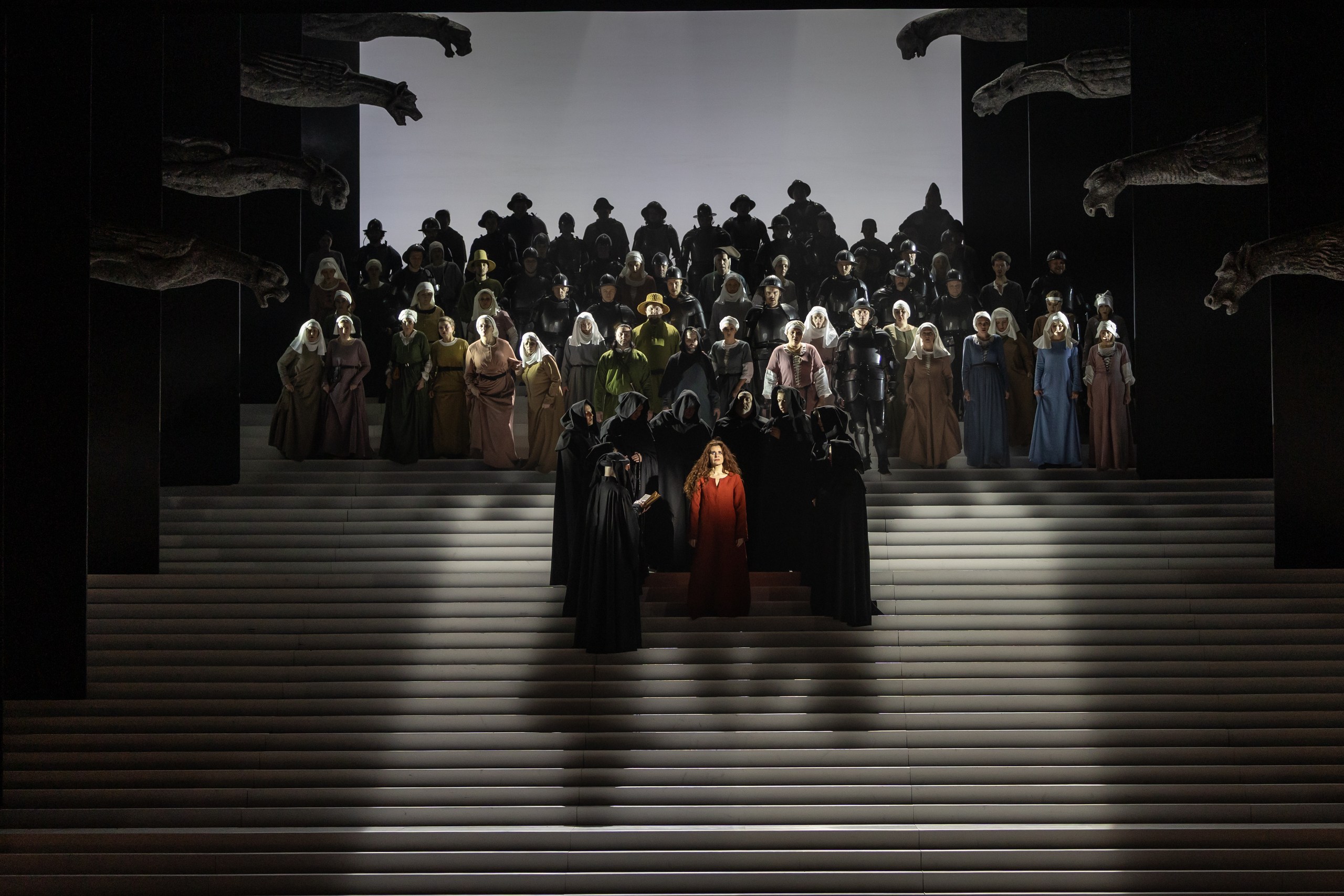
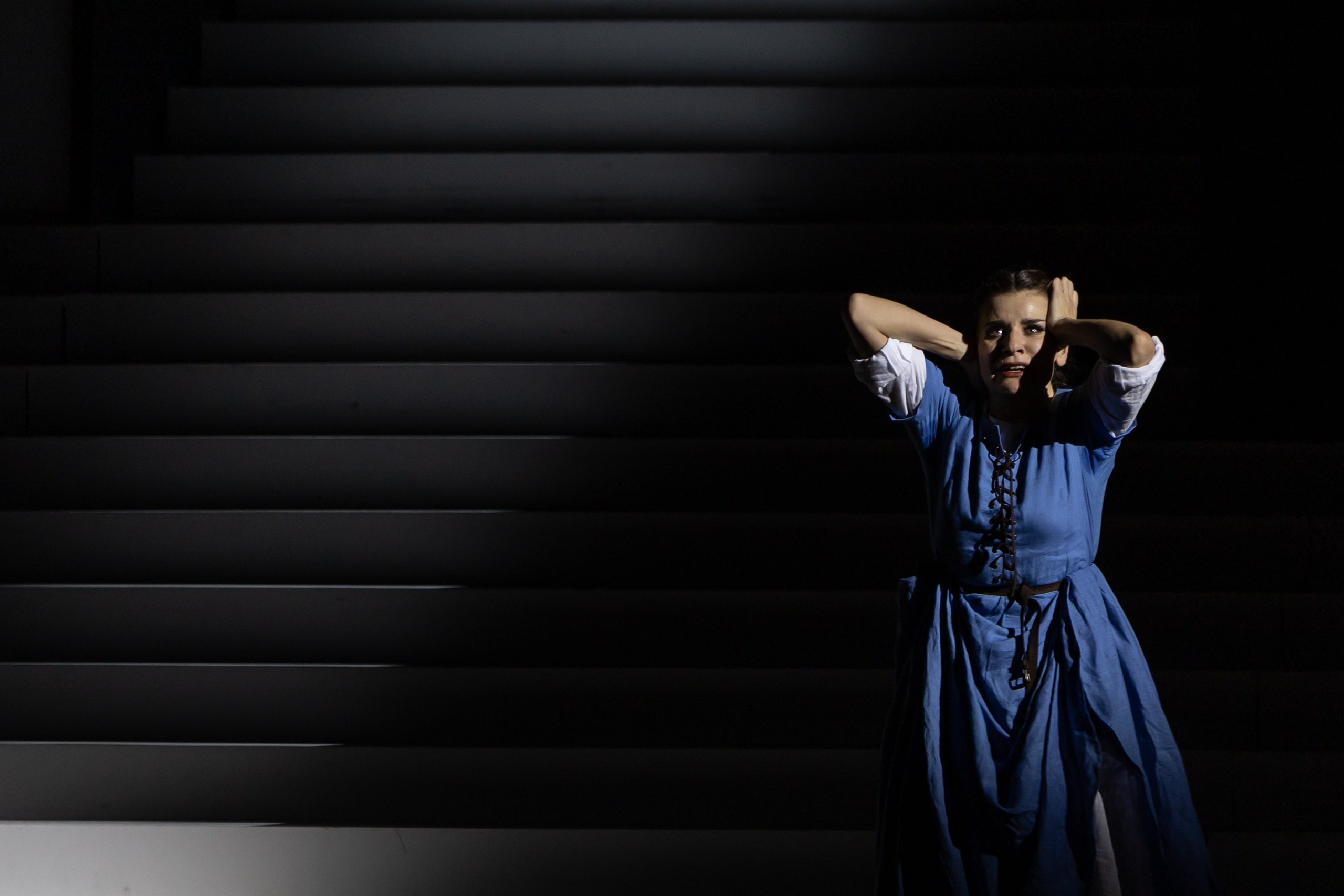
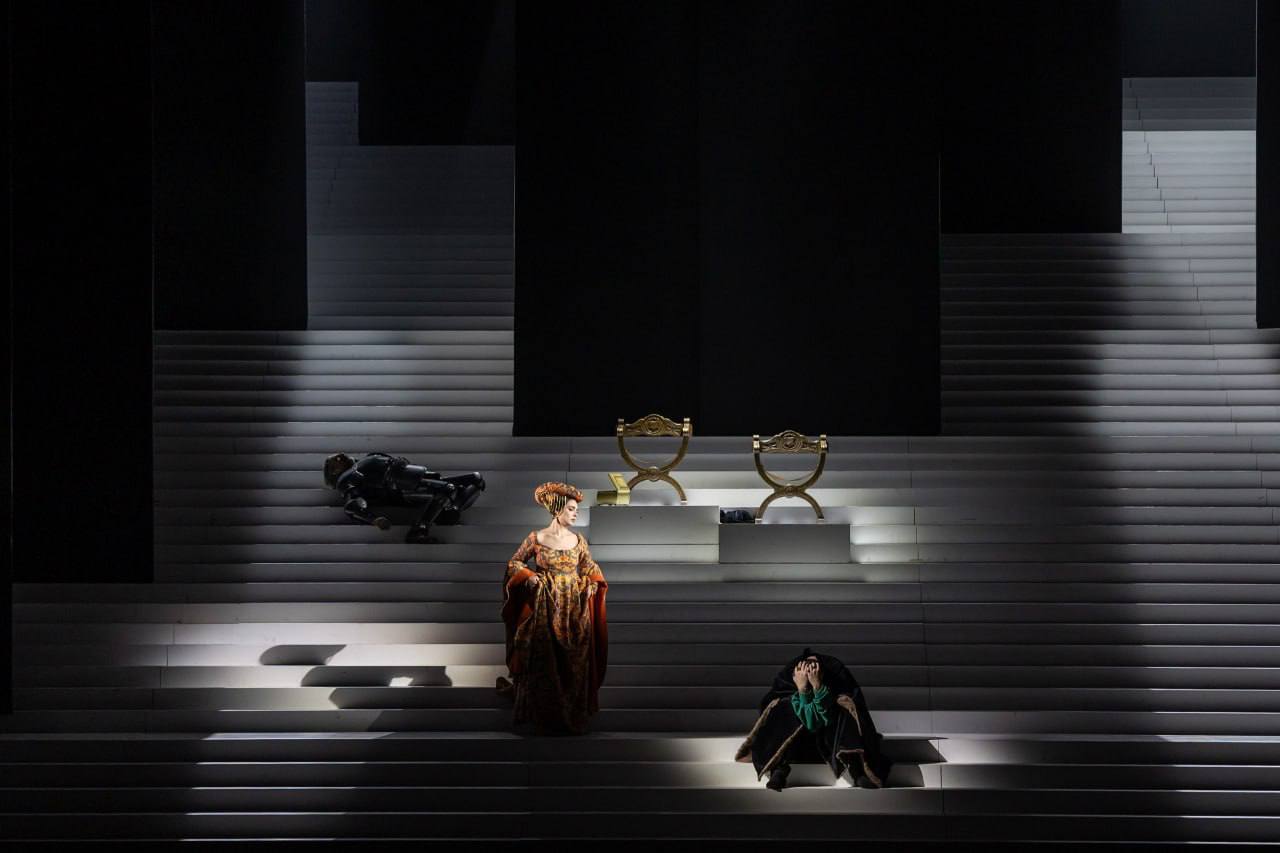
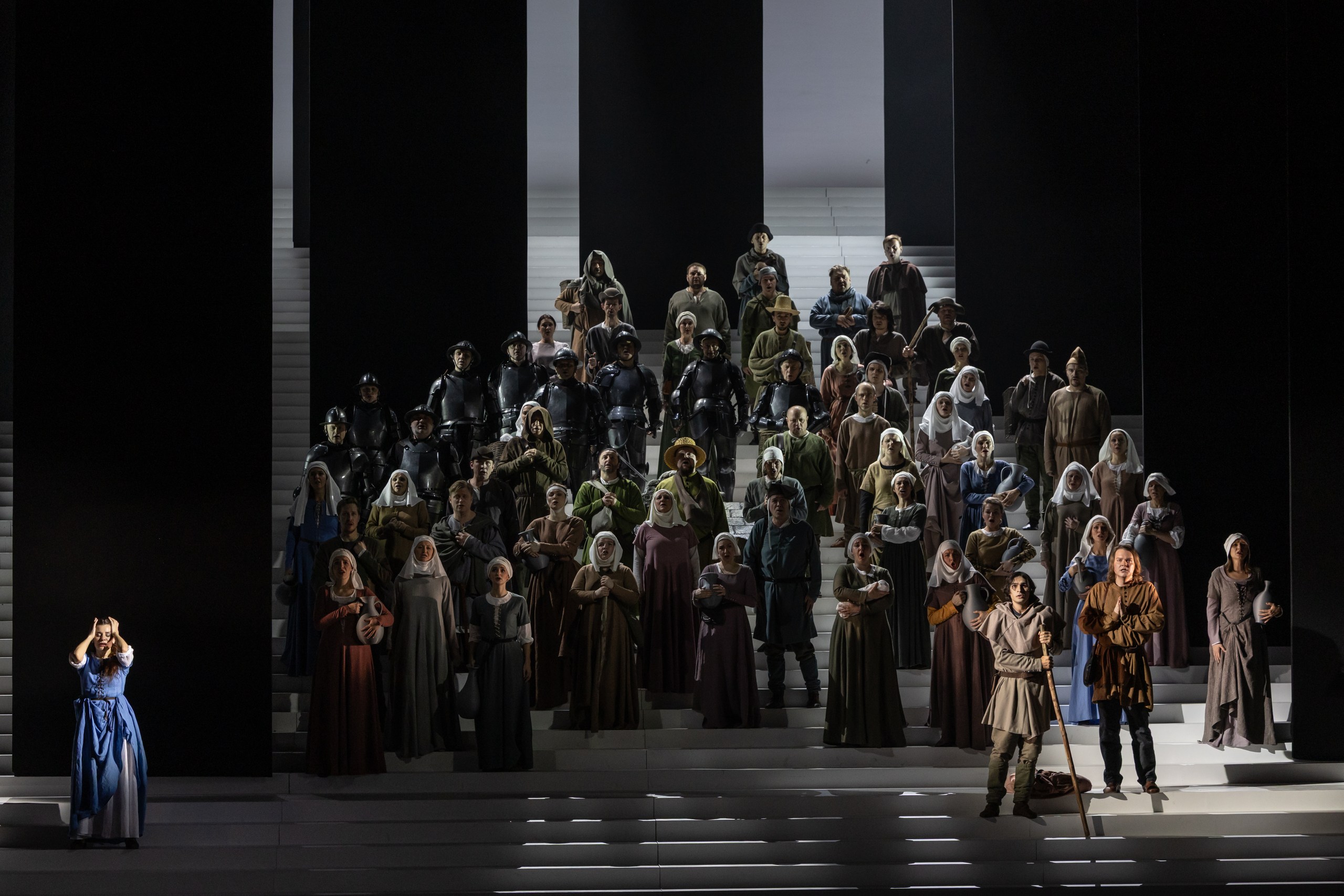
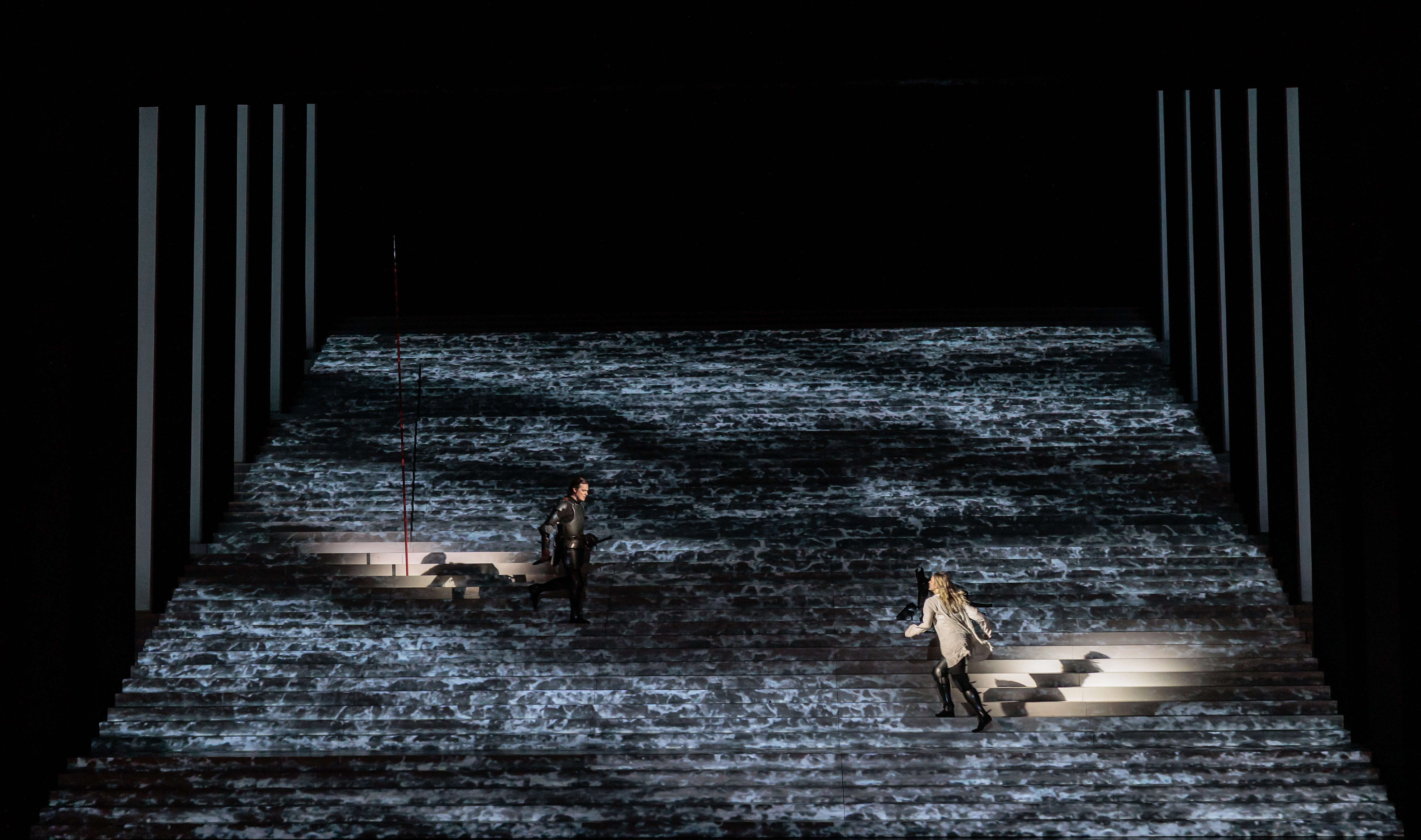
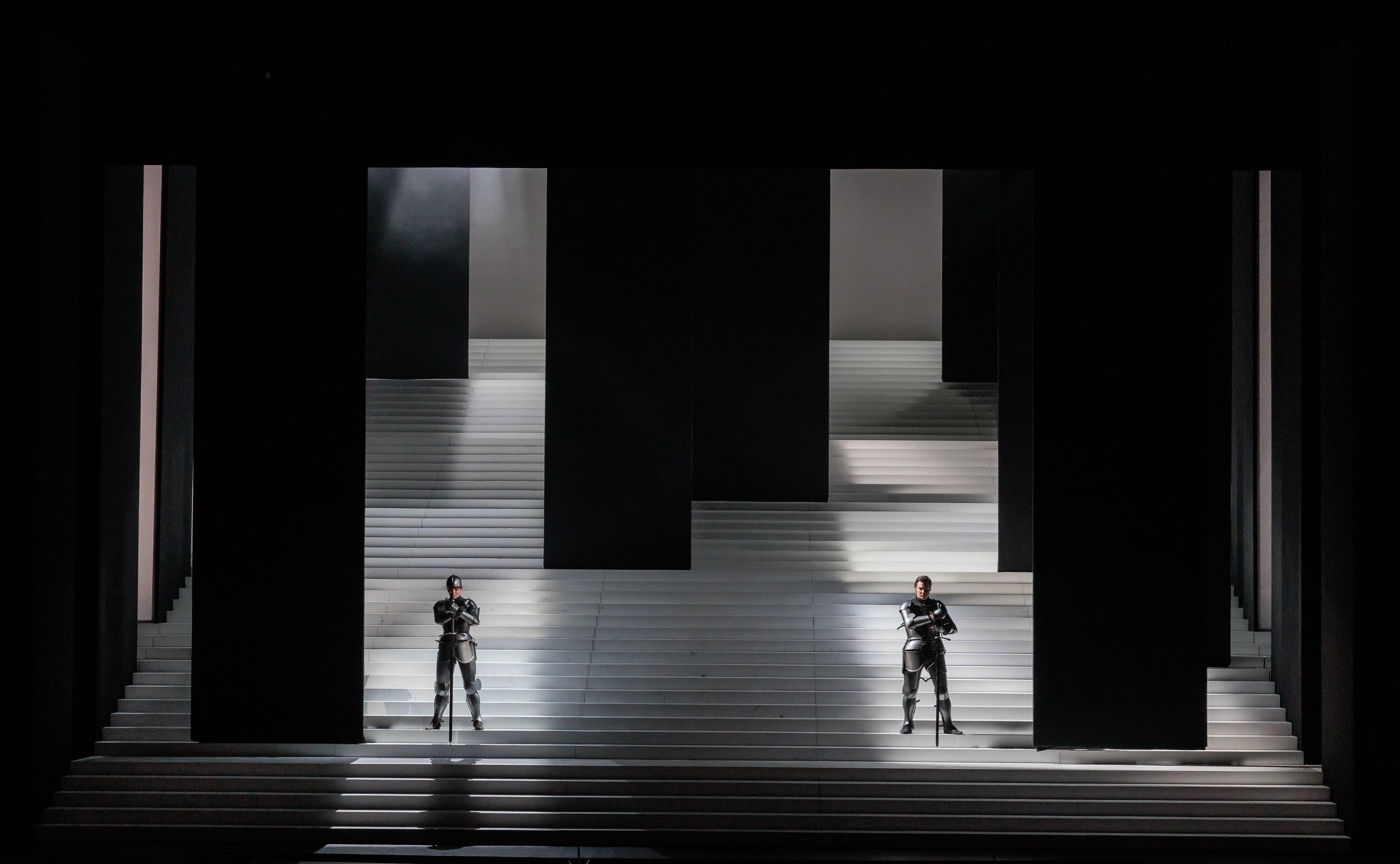
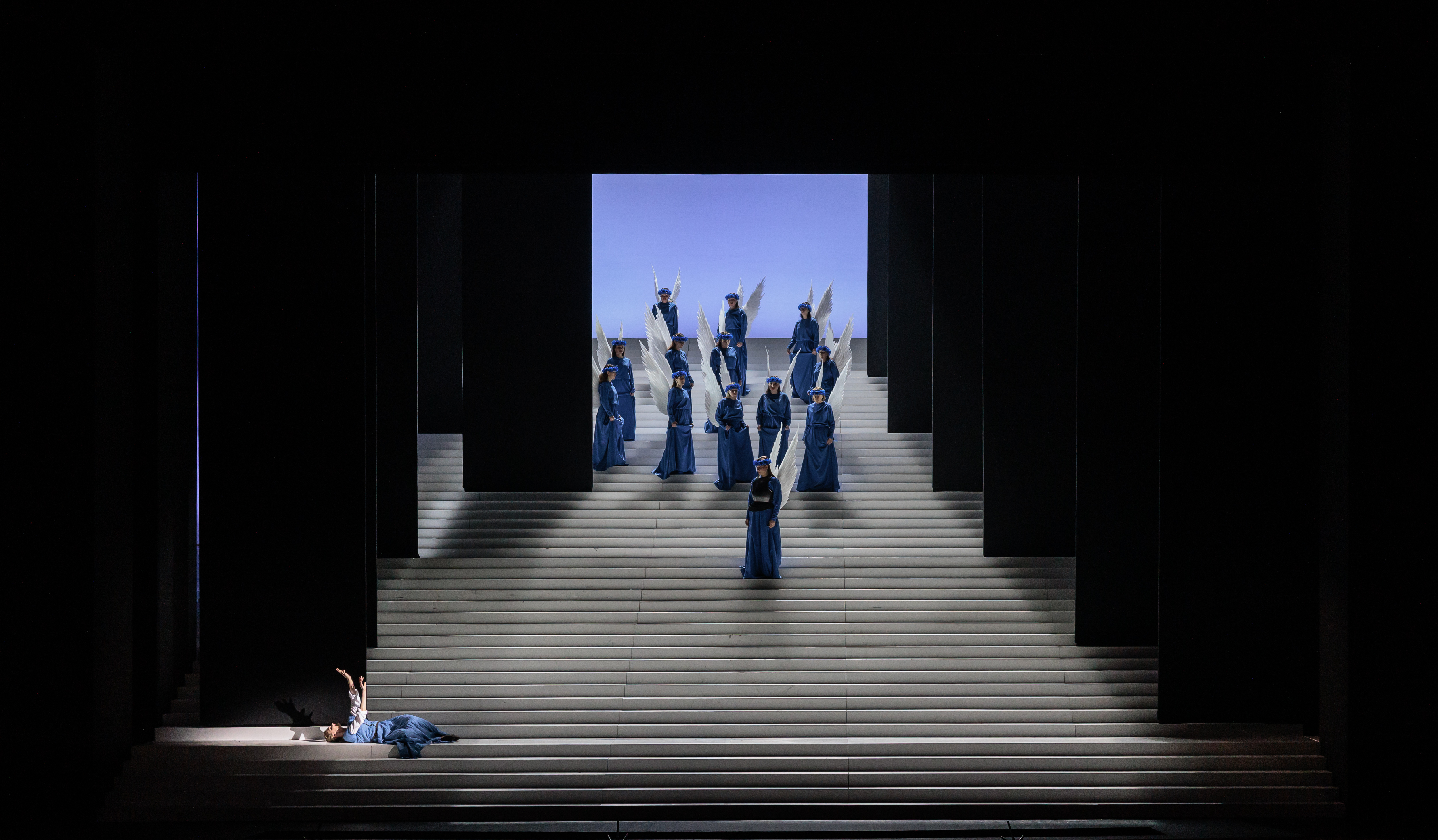
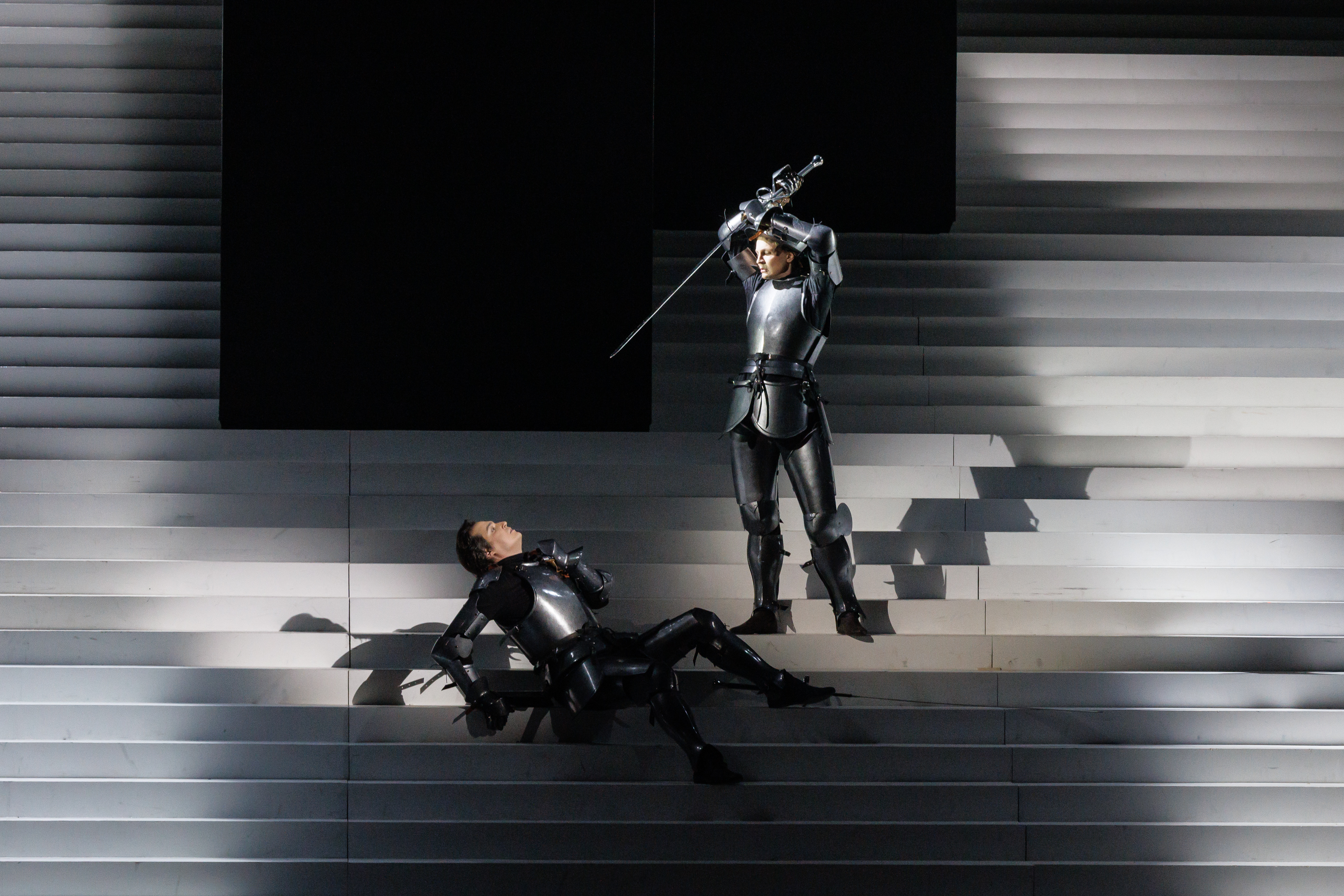
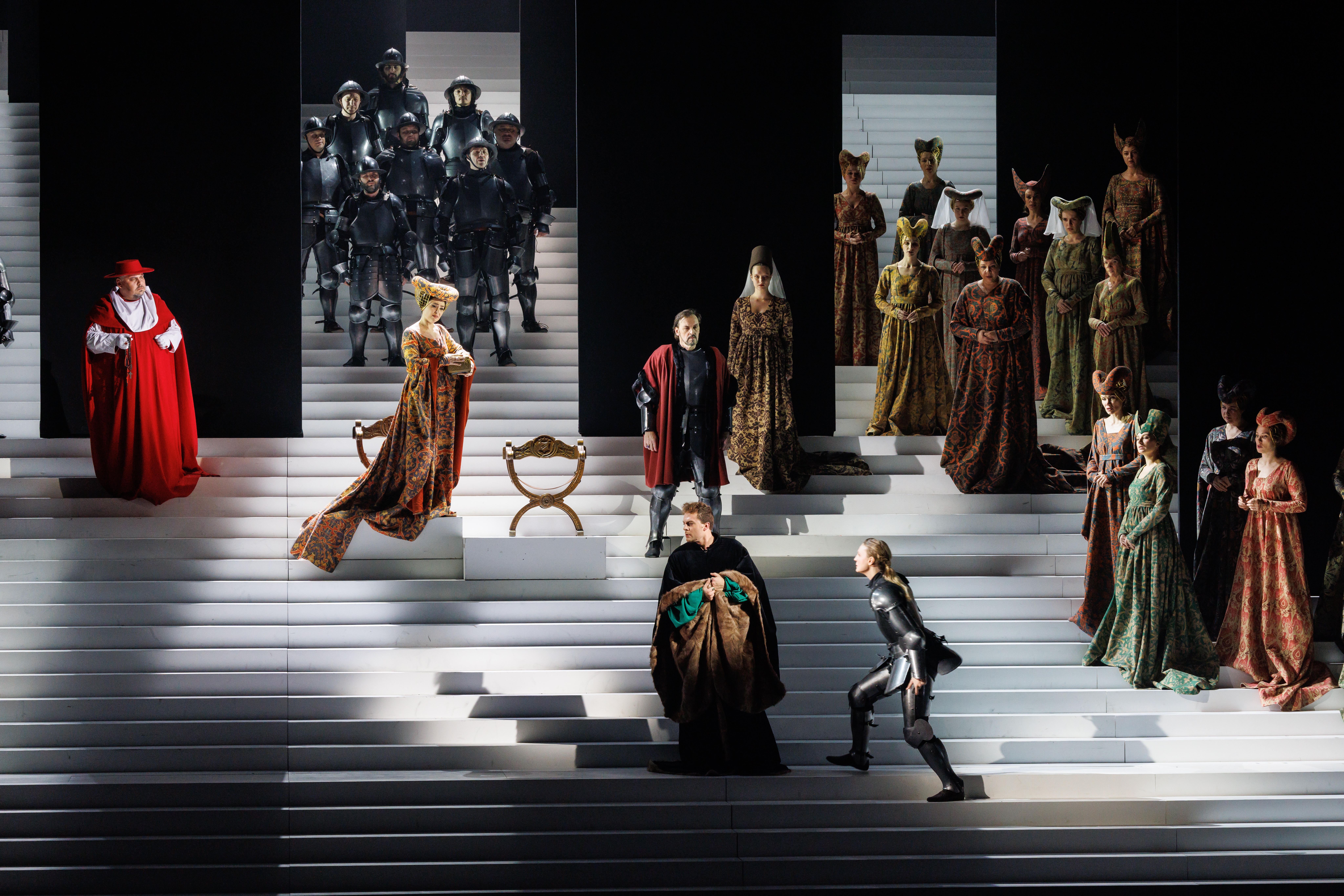
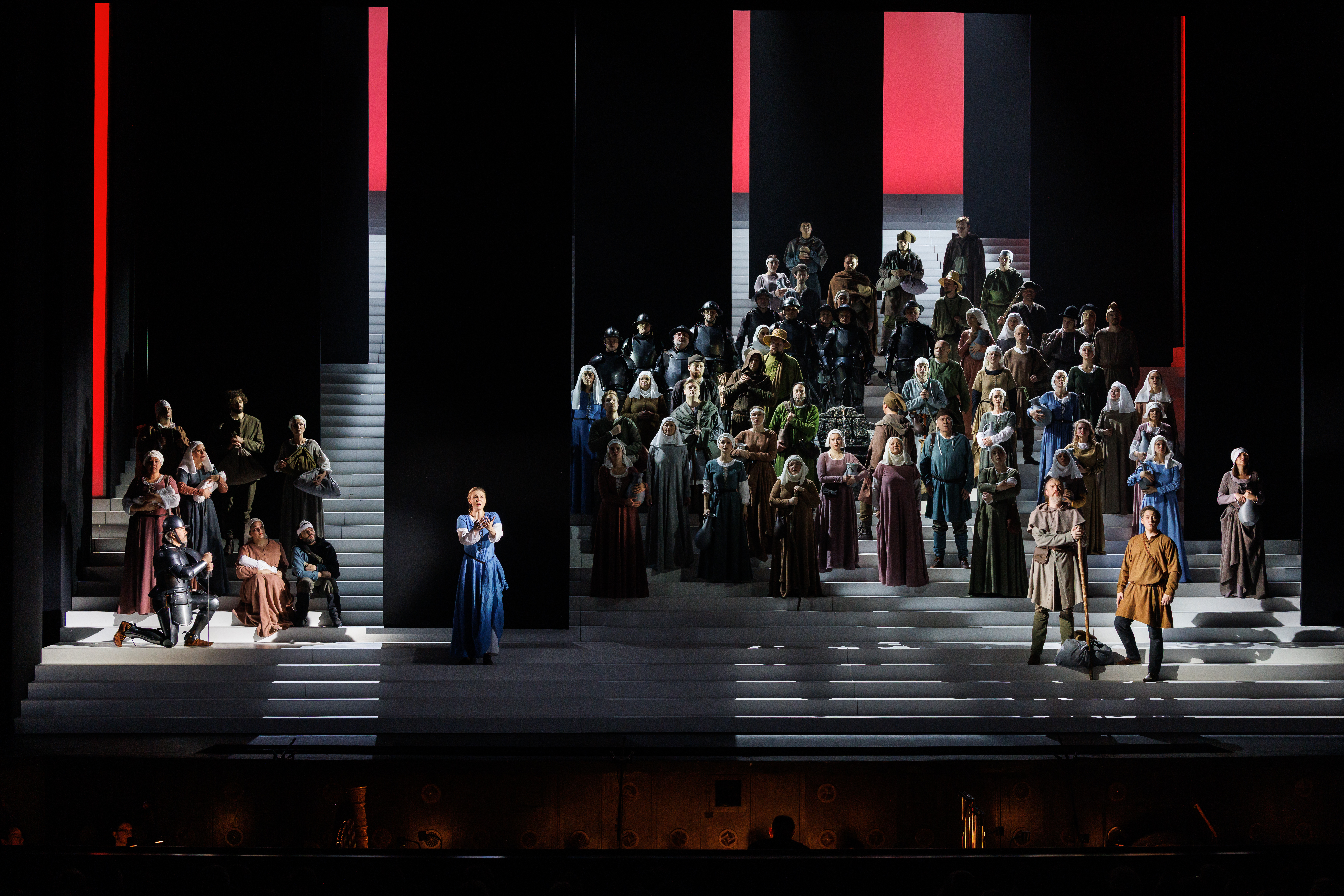
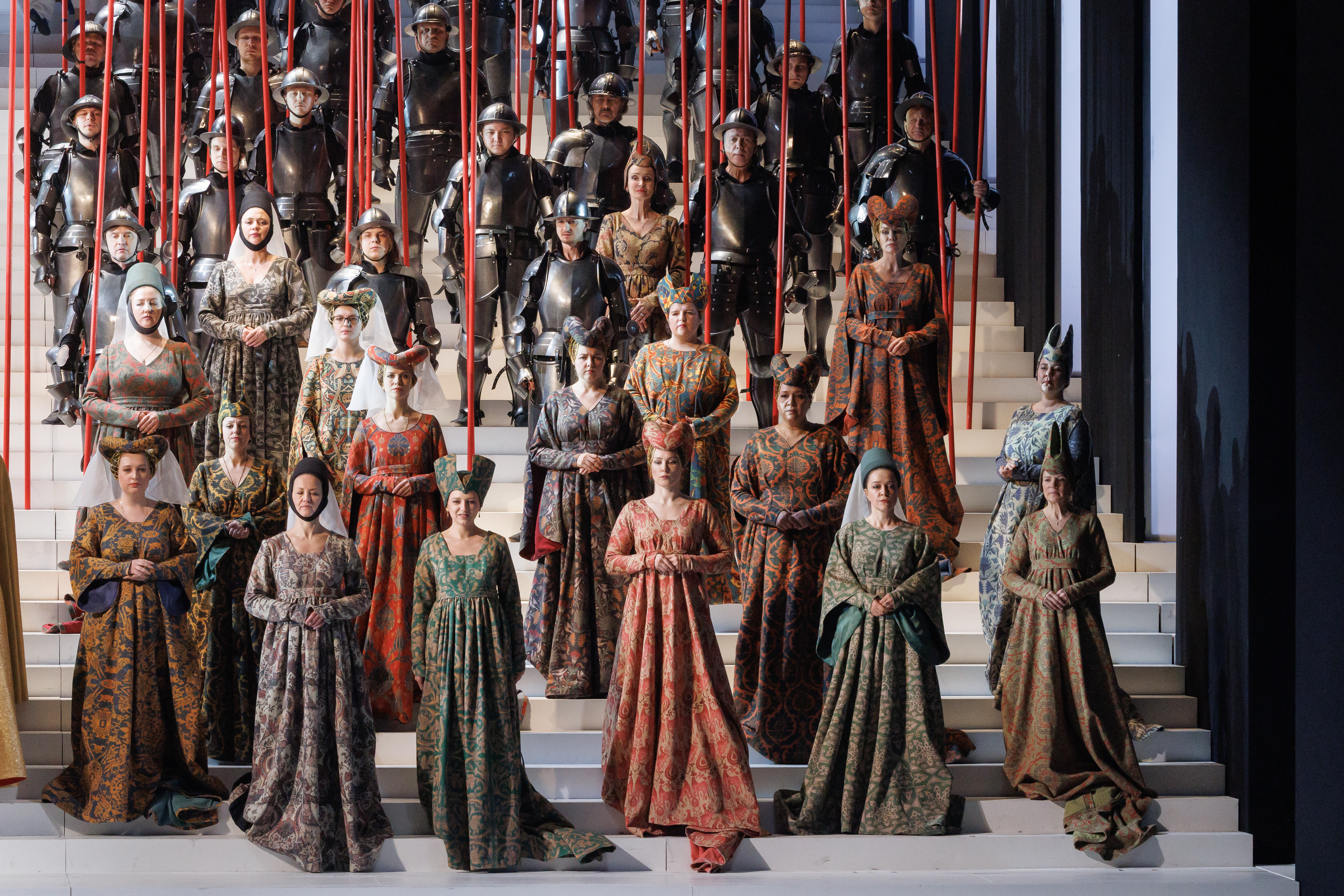
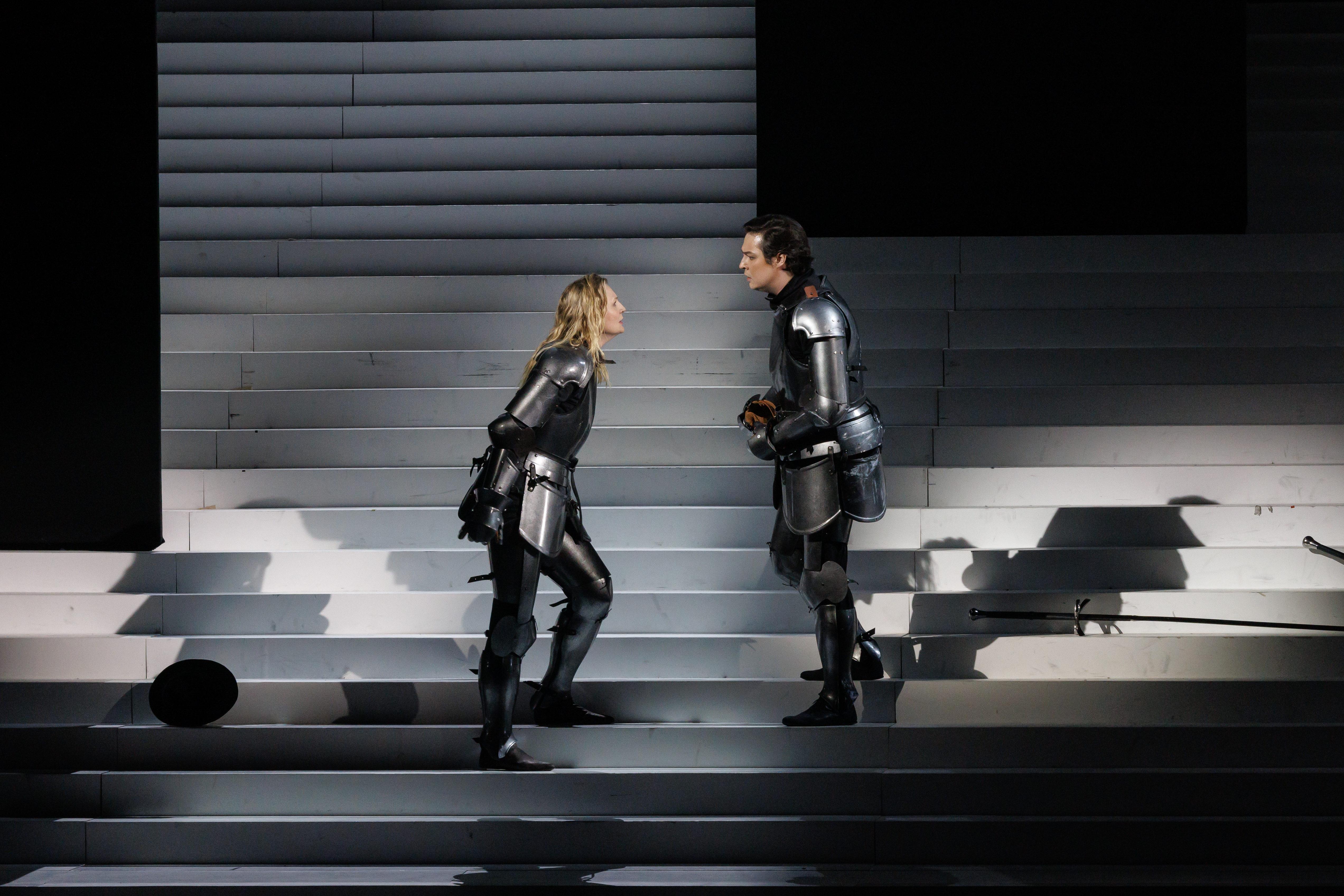
Performed in Russian Premiere of this production: 28 Nov 2025 The performance has 1 intermission Running time: 3 hours 25 minutes The Stanislavsky Theatre, located in XIX century historical building just 750 metres (9-minute walk) from the Bolshoi, will present Tchaikovsky’s grand opera The Maid of Orleans, directed by Alexander Titel and conducted by Christian Knapp. Featuring acclaimed soloists who have graced the stage of the Bolshoi and trained at Russia’s foremost academies, this production explores the eternal themes of love versus duty, the horrors of war, divine destiny, and the tragic beauty of self-sacrifice. Opera at the Stanislavsky Theatre is the great and affordable alternative to the Bolshoi. The monumental opera The Maid of Orleans by Pyotr Ilyich Tchaikovsky transports us to the decisive year of 1429, during the Hundred Years’ War. France, torn apart by civil strife and devastated by English intervention, stands on the brink of ruin. Orleans is the last bastion of hope. And in this fateful moment appears the young Joan of Arc — her faith becoming a sword, her sacrifice a banner. Tchaikovsky created not a mere musical illustration of history, but a vast fresco of human courage. Forging a French legend through the prism of Russian musical language, he gave the world a work where duty overcomes despair and defeat transforms into moral victory. His Joan is not a distant myth, but a living embodiment of that mysterious force that raises nations from the abyss. The opera breathes with drama and passion: at times soaring in colossal choral waves, at times falling into hushed, trembling prayers. Written during the Russo-Turkish War of 1877–1878, its score carries an urgent emotional intensity, turning historical narrative into a timeless parable of sacrifice for one’s homeland. Experience Tchaikovsky’s most monumental opera live in Moscow — a sweeping masterpiece of faith, destiny, and dramatic power. SynopsisIn the small village of Domrémy lives a young woman named Joan. Her father, Thibaut, wants to marry her off as soon as possible: the enemy has invaded the country, and she needs security in life. There is a suitable suitor — Raymond, a local young man. But Joan feels she has a special calling: voices from above have told her that she will become the savior of France. The people are terrified by news of new defeats. Joan prophesies the victory of the French troops and the death of the English commander. Her predictions come true immediately. Charles VII, a king without a throne and almost without a kingdom, neglecting his duty, amuses himself in the company of his beloved Agnès Sorel. The only path he sees before him is abdication and flight. The courageous Dunois refuses to serve such a weak-willed monarch and prepares to depart for the defense of Orléans. Suddenly, news arrives of a French victory led by a brave maiden who has taken command of the army. Joan enters. She convinces the king to entrust her with command of the troops. Joan fights the Burgundian knight Lionel and defeats him. Yet she cannot bring herself to deliver the fatal blow: love is born in her heart. Lionel is struck by her nobility and decides to join the French side. Joan is in turmoil — she fears that love will destroy the mighty powers bestowed upon her by Heaven. The coronation of Charles VII takes place in Reims. During the celebration, Thibaut and Raymond appear. Joan’s father, convinced that his daughter is allied with unclean forces, intends to expose her. Raymond vainly tries to restrain him. Thibaut publicly accuses his daughter. Joan, believing herself to have broken her vow, remains silent. The people’s adoration turns into hatred. In a deserted place, Lionel finds Joan, who has fled from the world. Their moment of happiness is brief: enemies appear, kill Lionel, and take Joan captive. The Maid of Orléans prepares for execution. Many doubt the justice of the sentence, but the verdict cannot be overturned. Joan perishes in the flames. | |||||