Stanislavsky Theatre
| 30 January |
| 19:00 |
| 2026 | Friday |
|
Russian Opera Stars at the Stanislavski Theatre
Giacomo Puccini "Tosca" Opera in 3 acts Opera in 3 acts World Opera Star Hibla Gerzmava |
|
| Artists |
Credits |
Soprano Baritone Opera company
Giuseppe Giacosa, Author libretto Luigi Illica, Author libretto
|
Performed in Italian Premiere of this production: 30 Jan 2004 The performance has 2 intermissions Running time: 2 hours 45 minutes
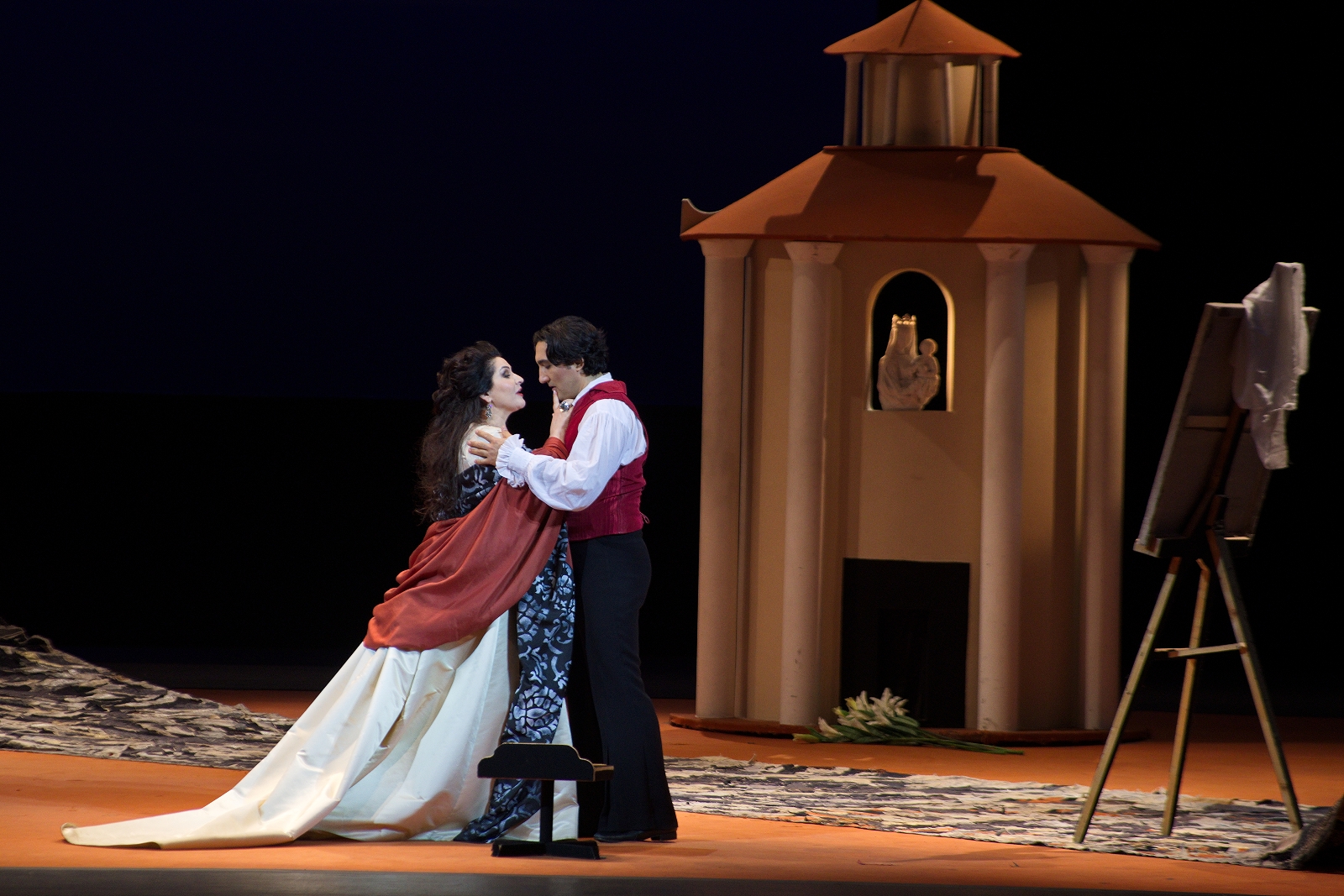
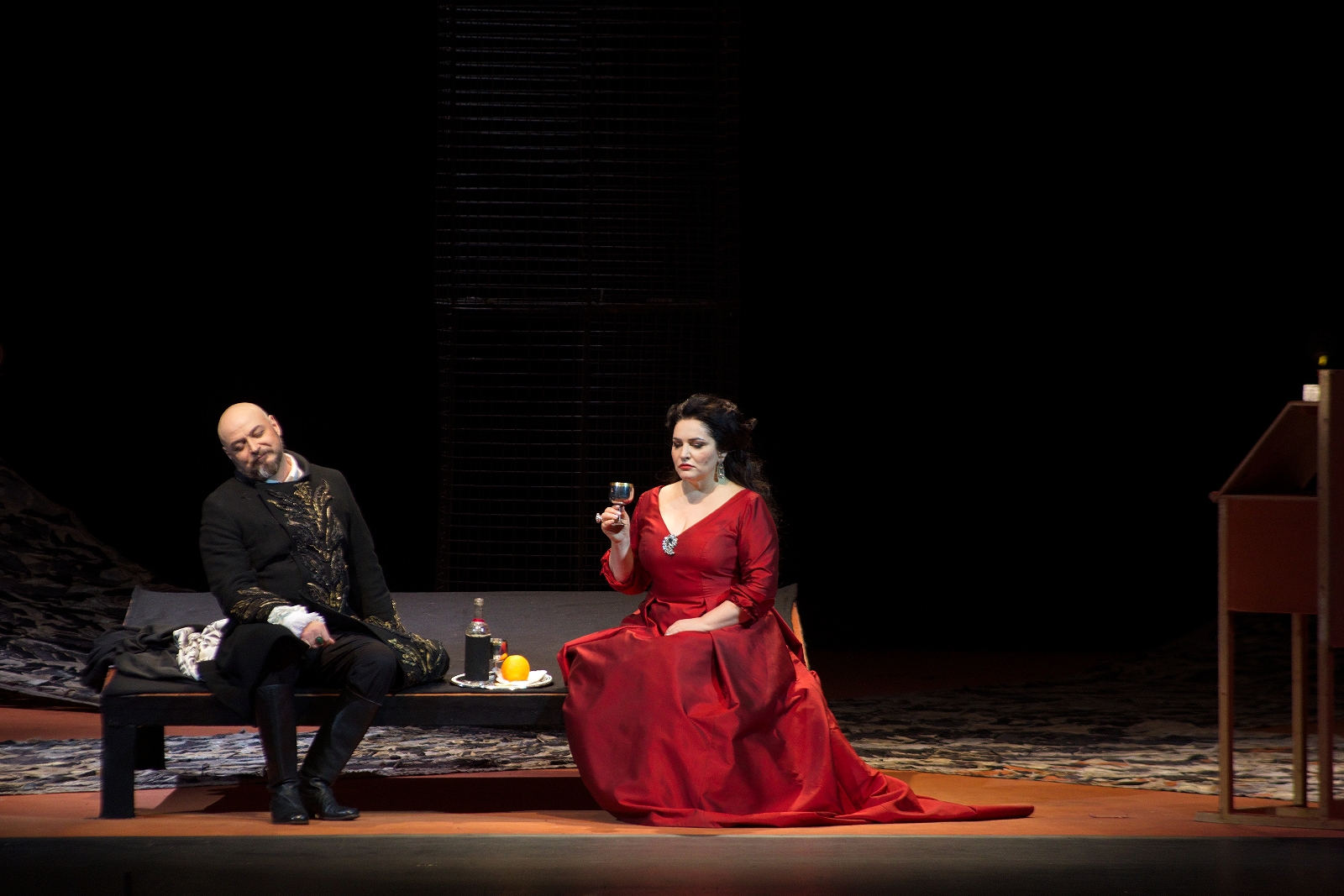
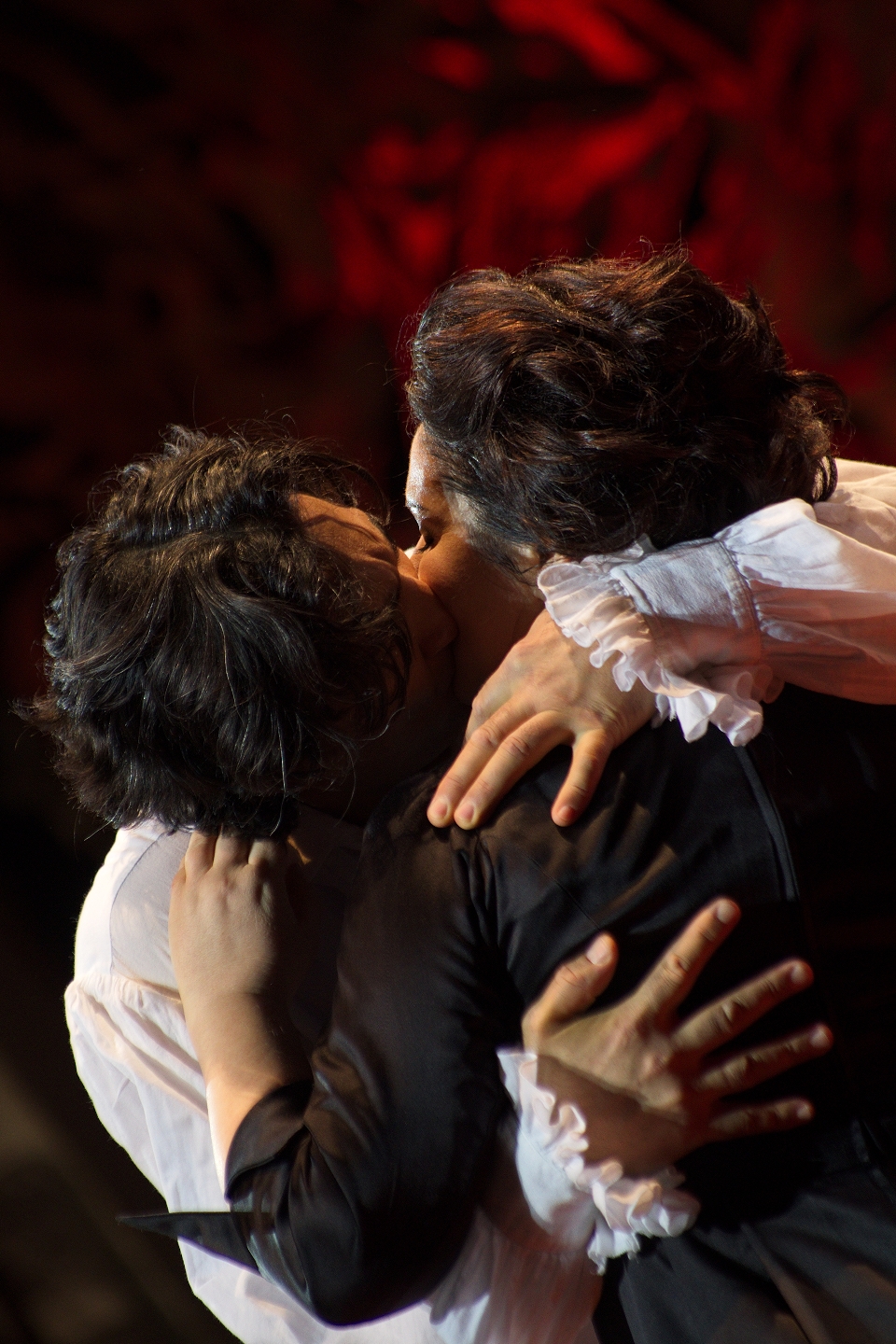
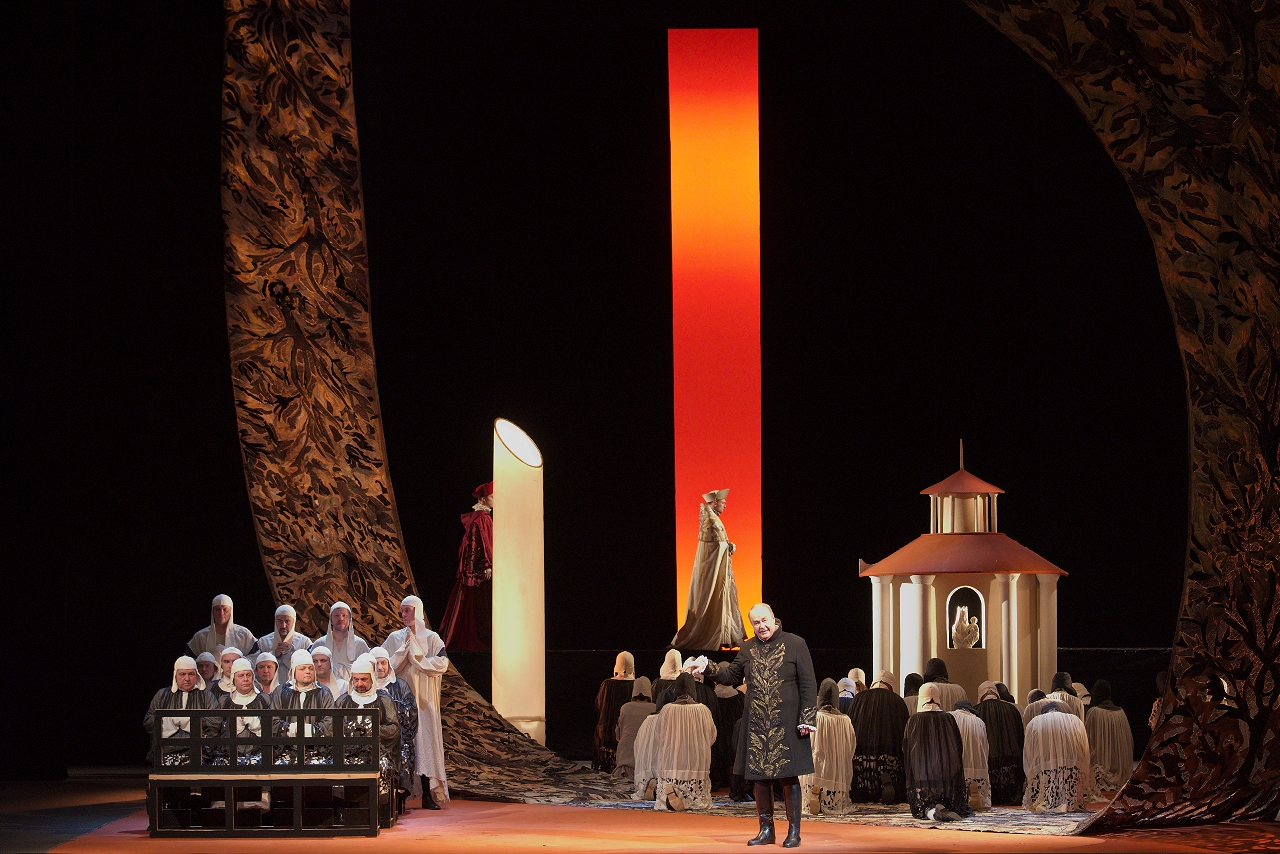
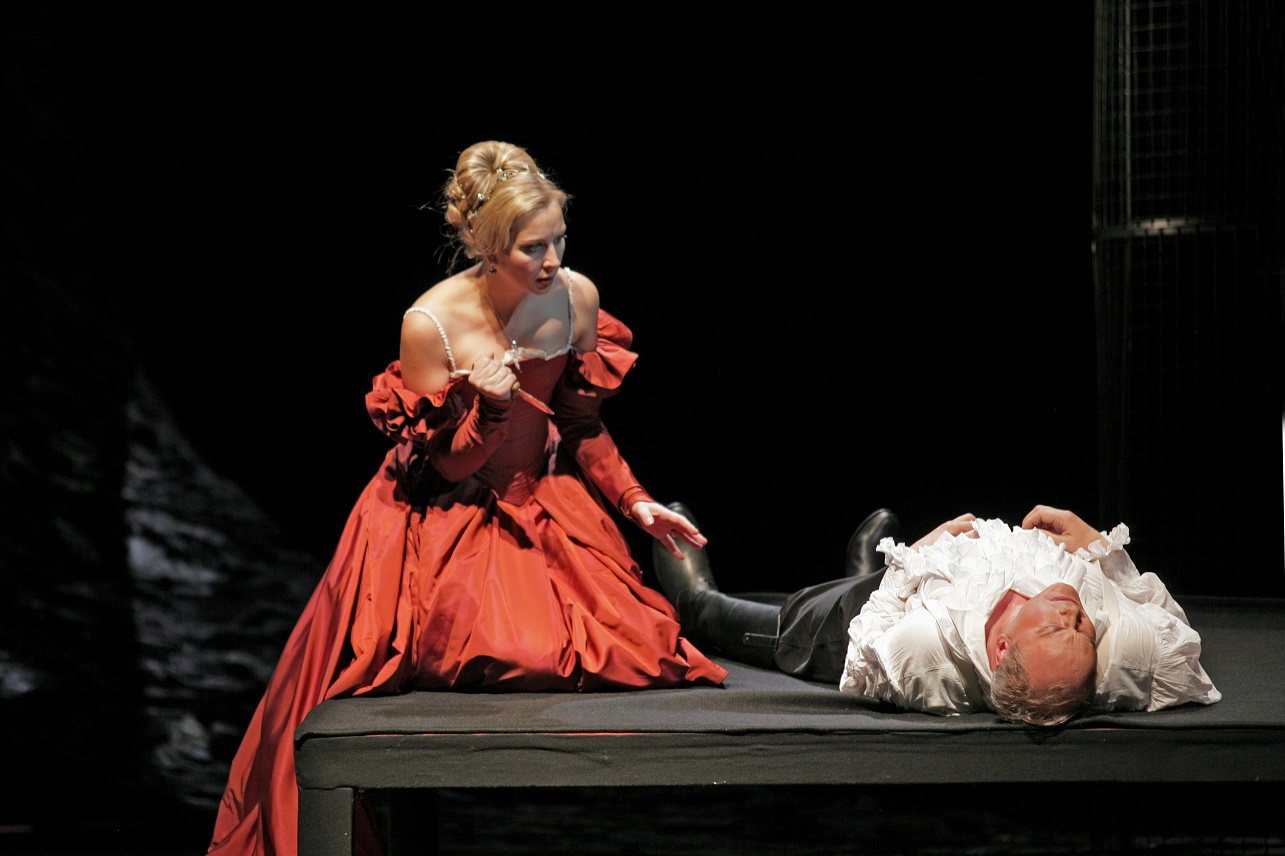
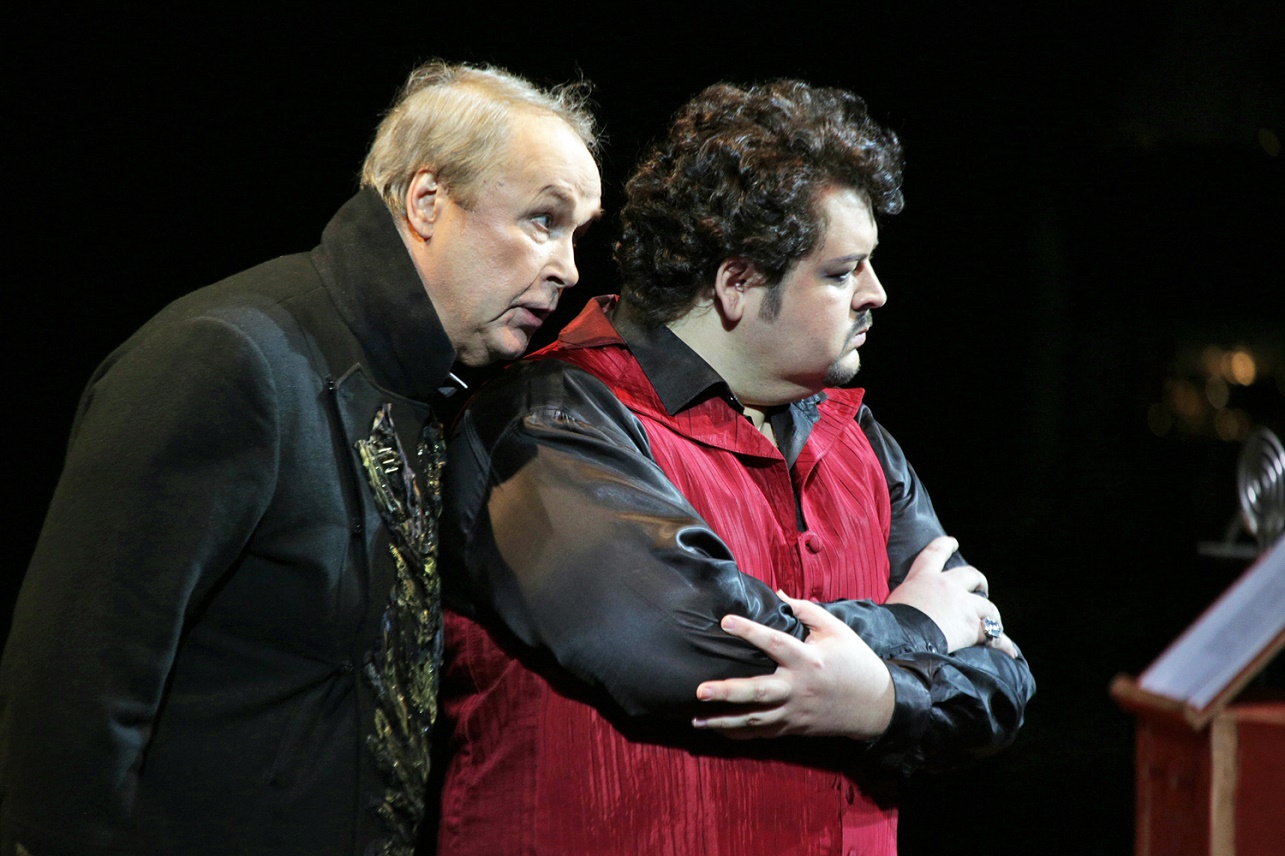
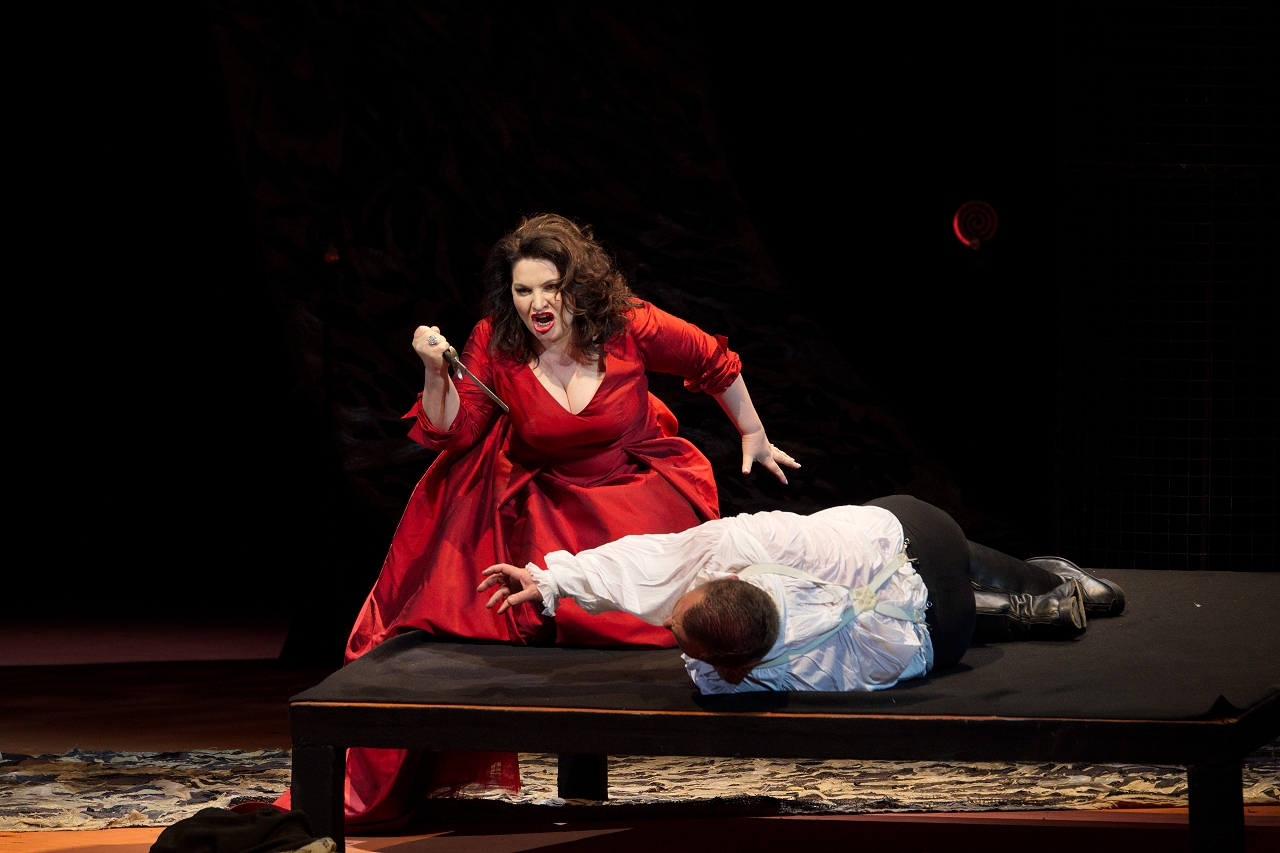
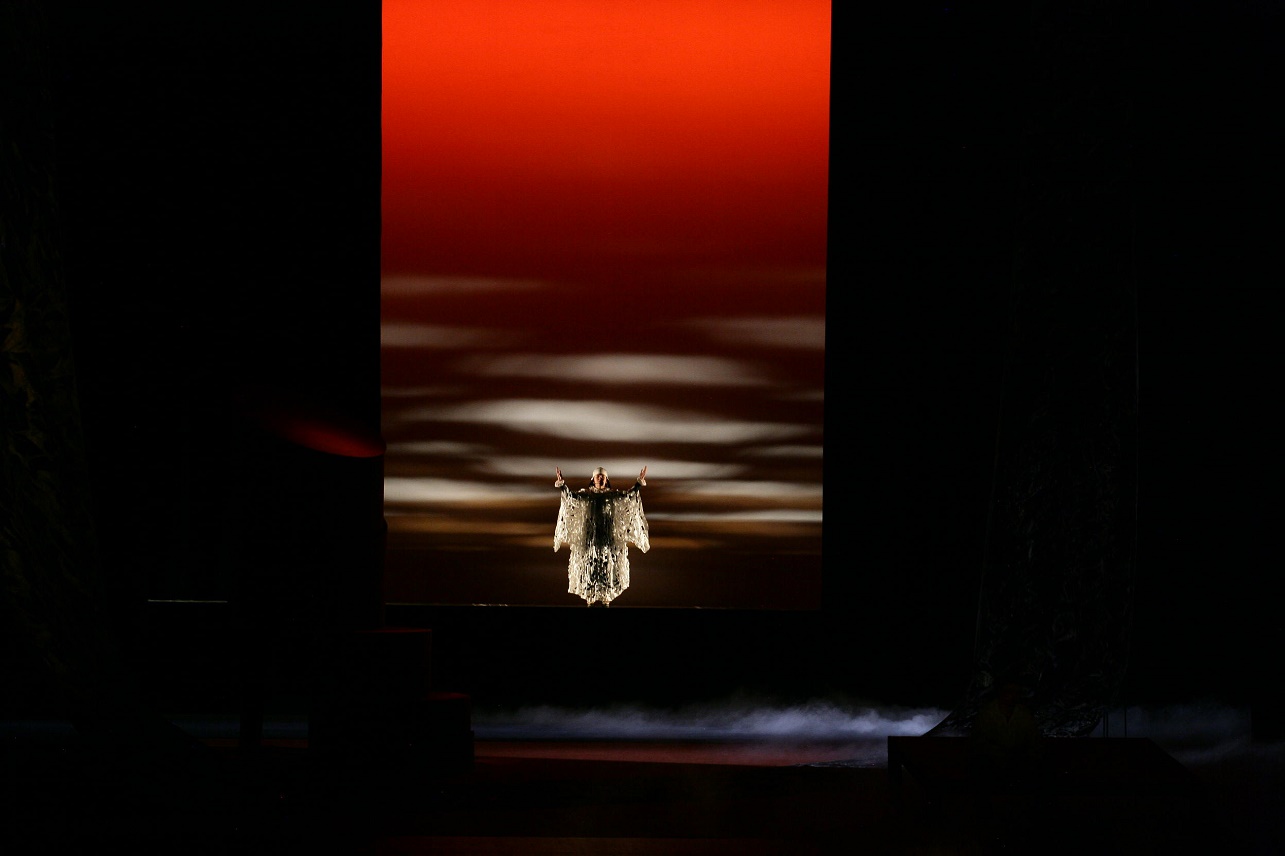
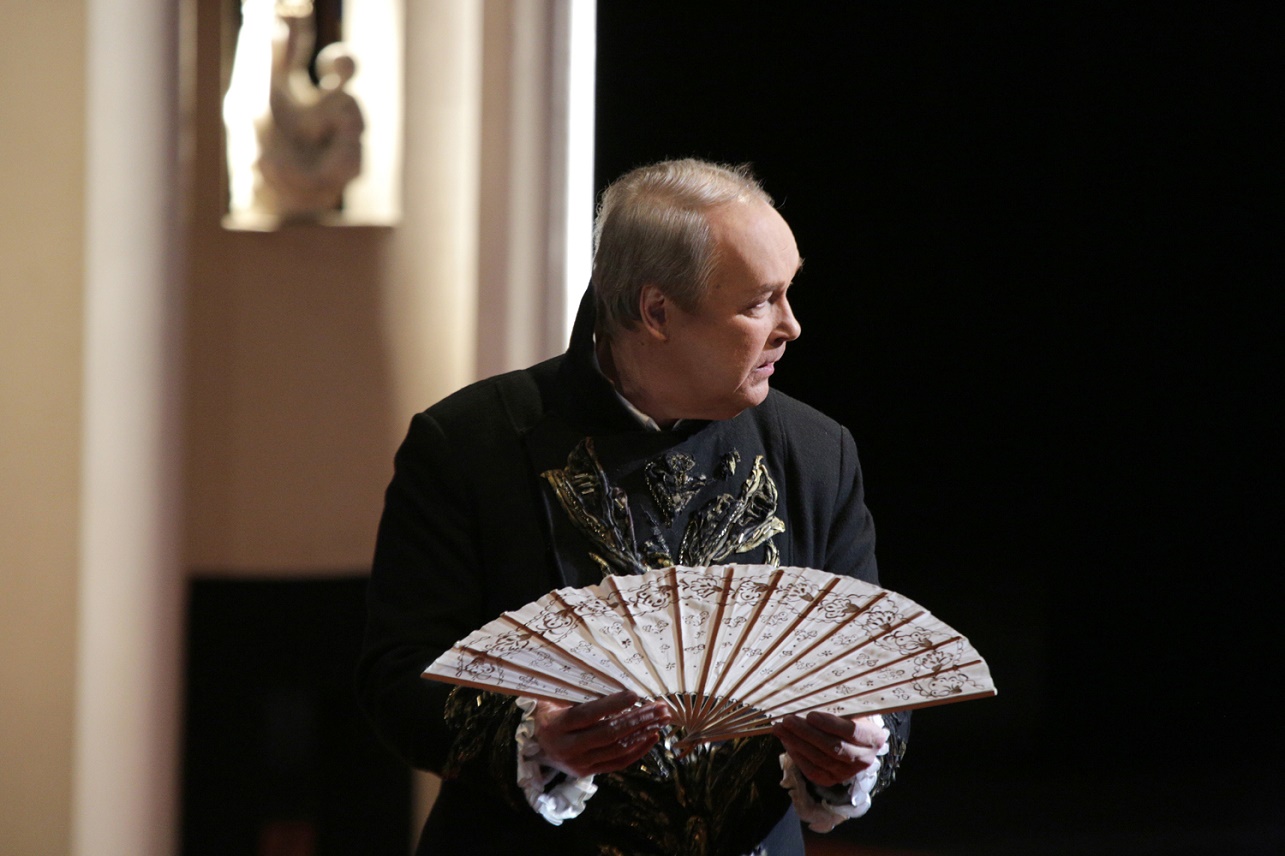
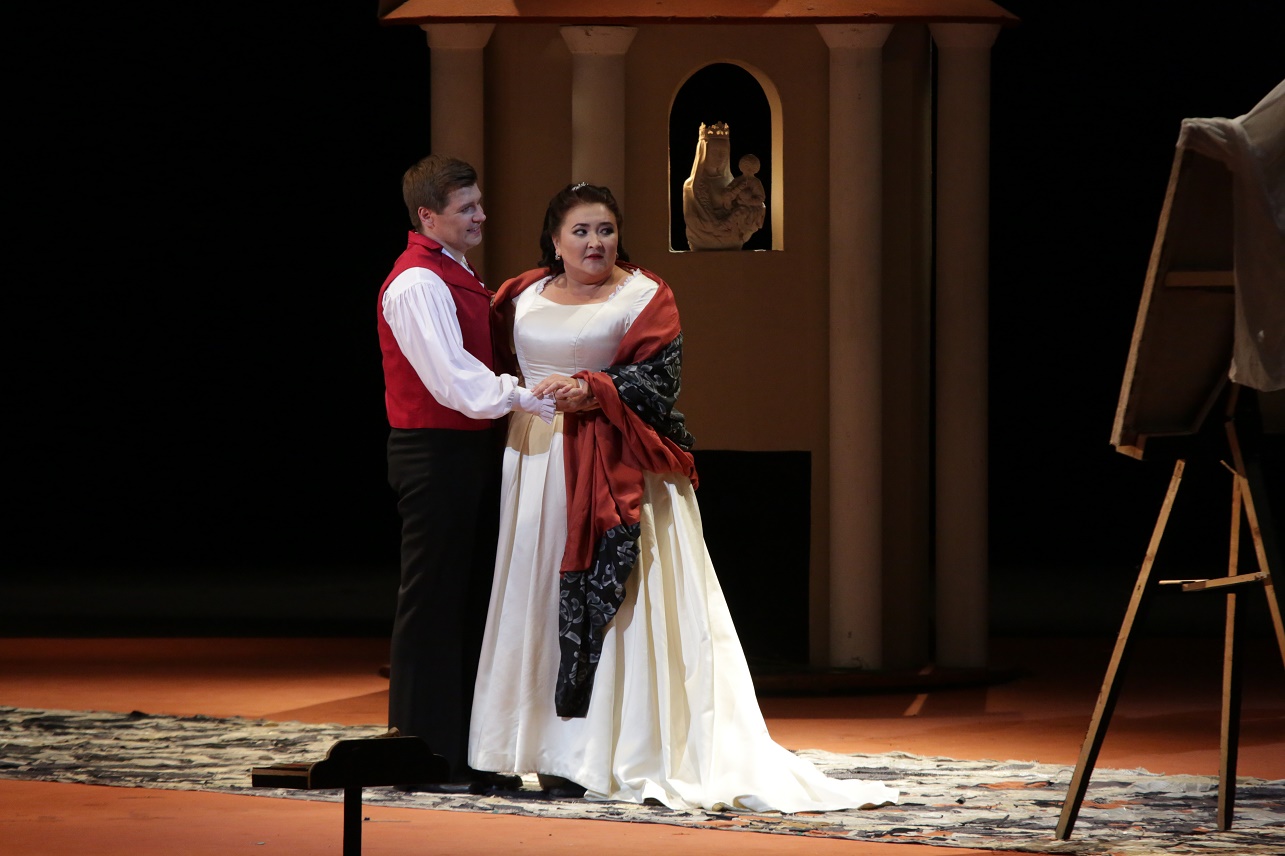
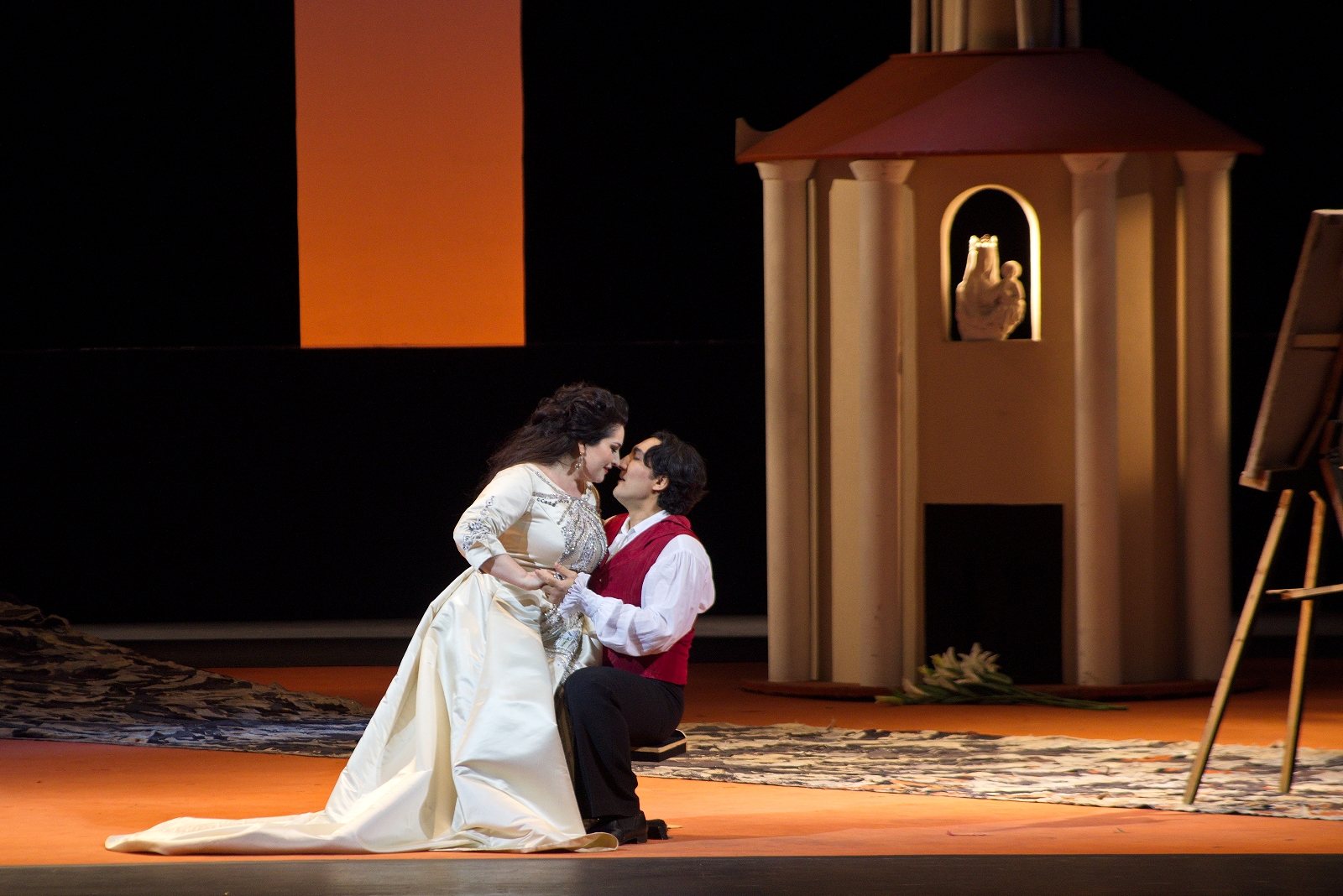
The Stanislavsky Theatre, located in XIX century historical building just 750 metres (9-minute walk) from the Bolshoi, presents Giacomo Puccini’s Tosca — an opera of passion, betrayal, and fate. In Ludmila Naletova’s production, the focus remains on the three central figures: Tosca, Cavaradossi, and Scarpia. These roles are performed by outstanding soloists of the Stanislavsky Music Theatre — artists who have graced the stage of the Bolshoi Theatre and studied at the same world-renowned academies as Bolshoi singers. Their artistry brings Puccini’s music to life with exceptional emotional depth and vocal brilliance. Opera at the Stanislavsky Theatre is the great and affordable alternative to the Bolshoi. Inspired by Victorien Sardou’s drama, Puccini turned a historical love story into one of the most gripping masterpieces of world opera. The premiere took place in 1900 at the Teatro Costanzi in Rome, and ever since, Tosca has captivated audiences with its blend of intimate human drama and sweeping political backdrop.
The opera unfolds in Rome during the struggle of the Republican forces against the Neapolitan monarchy. Against this turbulent historical setting, a deeply personal drama takes place — the love between singer Floria Tosca and painter Mario Cavaradossi, threatened by the ruthless Baron Scarpia, head of the secret police. Puccini’s score, filled with intensity, tenderness, and despair, transforms this story into a true operatic thriller.
A story of love, power, and sacrifice, told through some of Puccini’s most passionate music — “Tosca” returns to the Moscow stage in all its dramatic force. Tosca is an opera in three acts by Giacomo Puccini to an Italian libretto by Luigi Illica and Giuseppe Giacosa. It premiered at the Teatro Costanzi in Rome on 14 January 1900. The work, based on Victorien Sardou's 1887 French-language dramatic play, La Tosca, is a melodramatic piece set in Rome in June 1800, with the Kingdom of Naples's control of Rome threatened by Napoleon's invasion of Italy. It contains depictions of torture, murder and suicide, yet also includes some of Puccini's best-known lyrical arias, and has inspired memorable performances from many of opera's leading singers.
Puccini saw Sardou's play when it was touring Italy in 1889 and, after some vacillation, obtained the rights to turn the work into an opera in 1895. Turning the wordy French play into a succinct Italian opera took four years, during which the composer repeatedly argued with his librettists and publisher. Tosca premiered at a time of unrest in Rome, and its first performance was delayed for a day for fear of disturbances. Despite indifferent reviews from the critics, the opera was an immediate success with the public.
Musically, Tosca is structured as a through-composed work, with arias, recitative, choruses and other elements musically woven into a seamless whole. Puccini used Wagnerian leitmotifs (short musical statements) to identify characters, objects and ideas. While critics have frequently dismissed the opera as a facile melodrama with confusions of plot—musicologist Joseph Kerman famously called it a "shabby little shocker"—the power of its score and the inventiveness of its orchestration have been widely acknowledged. The dramatic force of Tosca and its characters continues to fascinate both performers and audiences, and the work remains one of the most frequently performed operas. Many recordings of the work have been issued, both of studio and live performances. Synopsis
Act I
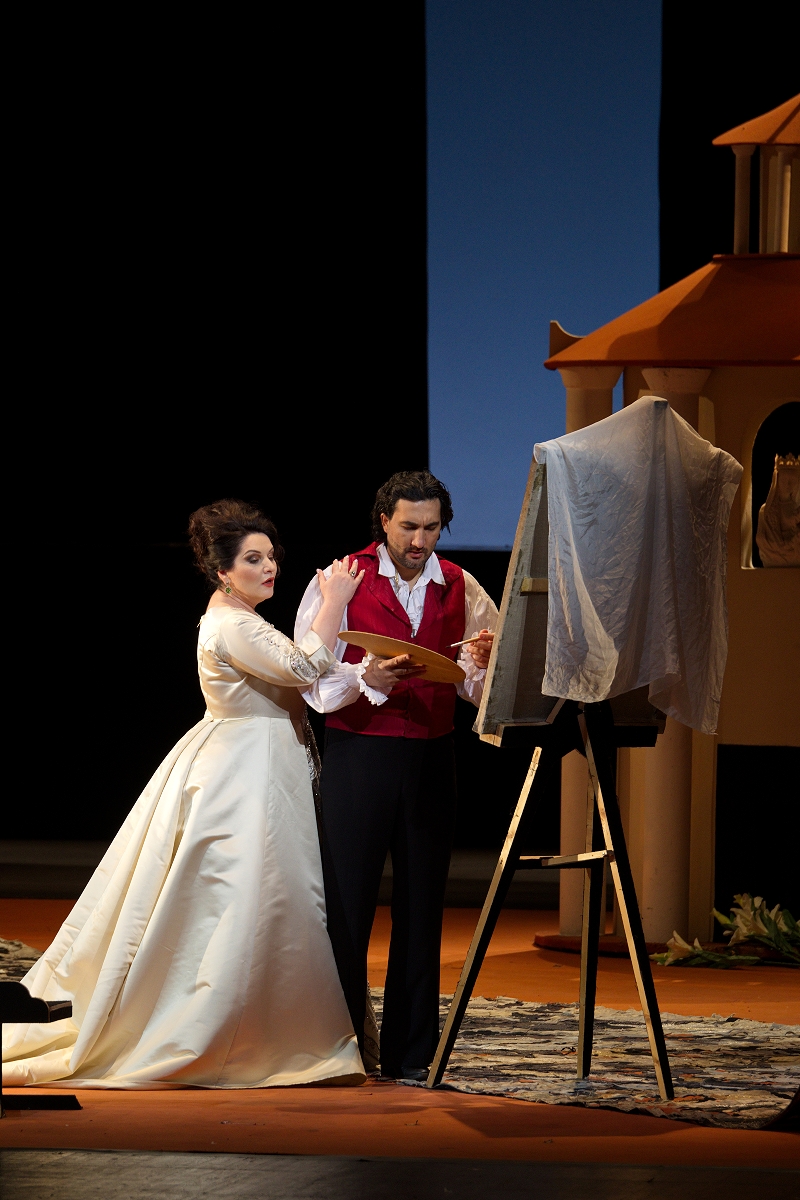
Cesare Angelotti, an escaped political prisoner, runs into the church of Sant’Andrea della Valle to hide in the Attavanti family chapel. At the sound of the Angelus, the Sacristan enters to pray. He is interrupted by Mario Cavaradossi, who has come to work on his portrait of Mary Magdalene — inspired by the Marchesa Attavanti, Angelotti’s sister. Mario contrasts the beauty of the blond Marchesa with that of the woman he loves, the raven-haired singer Floria Tosca (“Recondita armonia”).
Angelotti ventures out and is recognized by Mario, who gives him food and hurries him back into the chapel as Tosca is heard calling outside. She jealously questions Mario, then prays and reminds him of their rendezvous that evening (“Non la sospiri la nostra casetta”). Recognizing the Marchesa’s likeness in the painting, she explodes with renewed suspicions, but he reassures her (“Qual’occhio al mondo”). When she has left, Mario summons Angelotti as a cannon signals that the police have discovered the escape; the two flee to Mario’s villa.
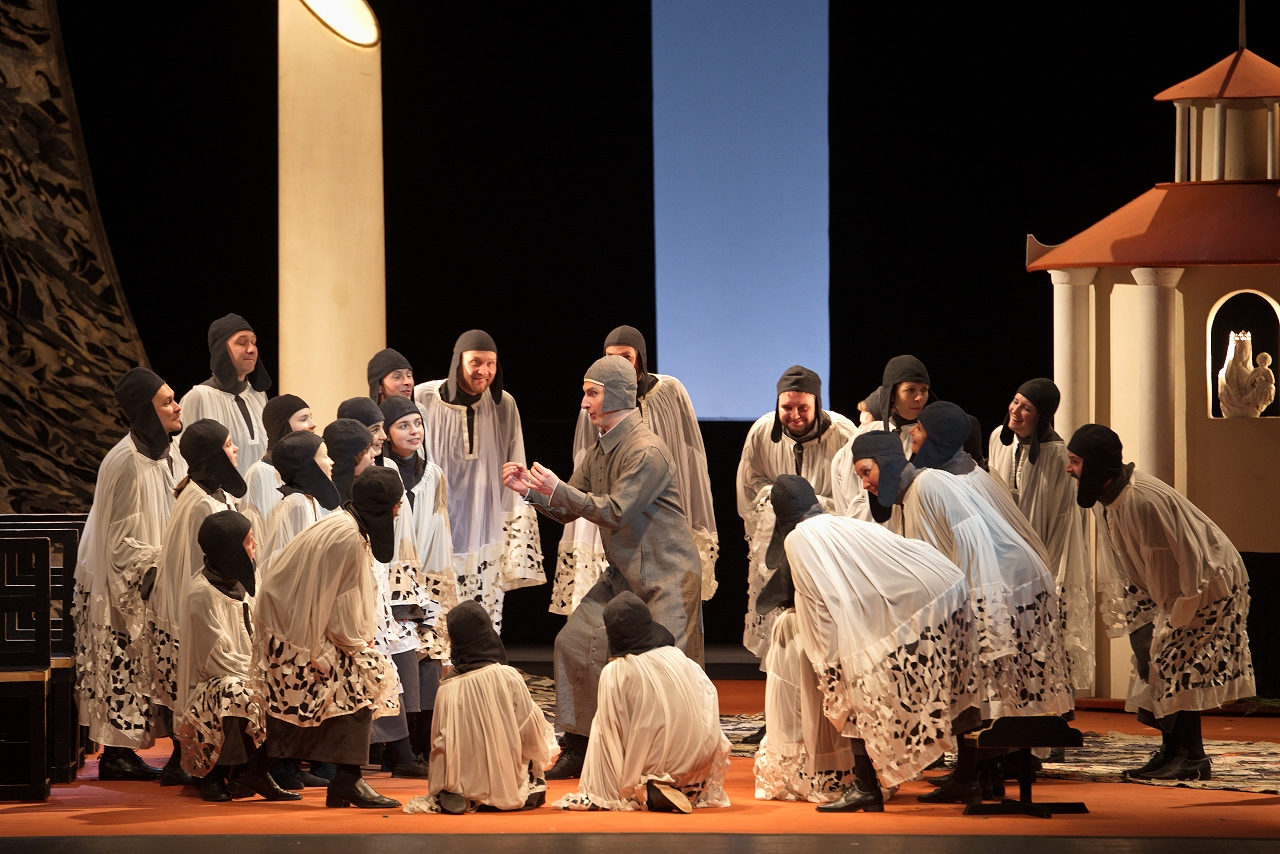
Napoleon’s army is supposed to have suffered defeat, and the Sacristan returns with choirboys who are about to sing a Te Deum. Their excitement is silenced by the entrance of Baron Scarpia, chief of the secret police, in search of Angelotti. When Tosca comes back looking for Mario, she encounters Scarpia, who shows her the Attavanti crest on a fan he has just found. Thinking Mario faithless, Tosca tearfully vows vengeance and leaves as the church resounds with the Te Deum. Scarpia has the diva trailed, scheming to get her in his power (“Va, Tosca!”).
Act II
In the Farnese Palace, Scarpia anticipates the pleasure of bending Tosca to his will (“Ha piu forte sapore”).
The spy Spoletta arrives, not having found Angelotti; to placate the baron, he brings in Mario, who is interrogated while Tosca is heard singing at a royal gala downstairs. She enters as her lover is being taken to an adjoining room for torture. Unnerved by Scarpia’s questioning and Mario’s screams, she reveals Angelotti’s hiding place.
Mario is carried in; realizing what has happened, he rages at Tosca, but the gendarme Sciarrone rushes in to announce that Napoleon has won the Battle of Marengo, a defeat for Scarpia’s side. Mario shouts his defiance (“Vittoria!”).
Tosca yields to Scarpia in exchange for her lover’s life. Fighting him off, she protest her fate to God, having dedicated her life to art and love (“Vissi d’arte”).
Spoletta interrupts: faced with capture, Angelotti has killed himself. Tosca, forced to decide, agrees to Scarpia’s proposition. The baron pretends to order a mock execution for the prisoner, after which he is to be free. Spoletta leaves.
Scarpia prepares a document of safe-conduct for the lovers. When he embraces her, Tosca stabs him with a knife, wrenches the document from his fingers and, placing candles at his head and a crucifix on his chest slips quietly out.
Act III
The voice of a shepherd is heard as church bells toll the dawn. Mario is led to the roof of Castel Sant’Angelo prison to await execution; he bribes the jailer to convey a farewell note to Tosca. Writing it, overcome with memories of love, he gives way to despair (“E lucevan le stele”).
Suddenly Tosca runs in, filled with the story of her recent adventure. Mario caresses the hands that committed the murder for his sake (“O dolci mani”), and the two hail the future.
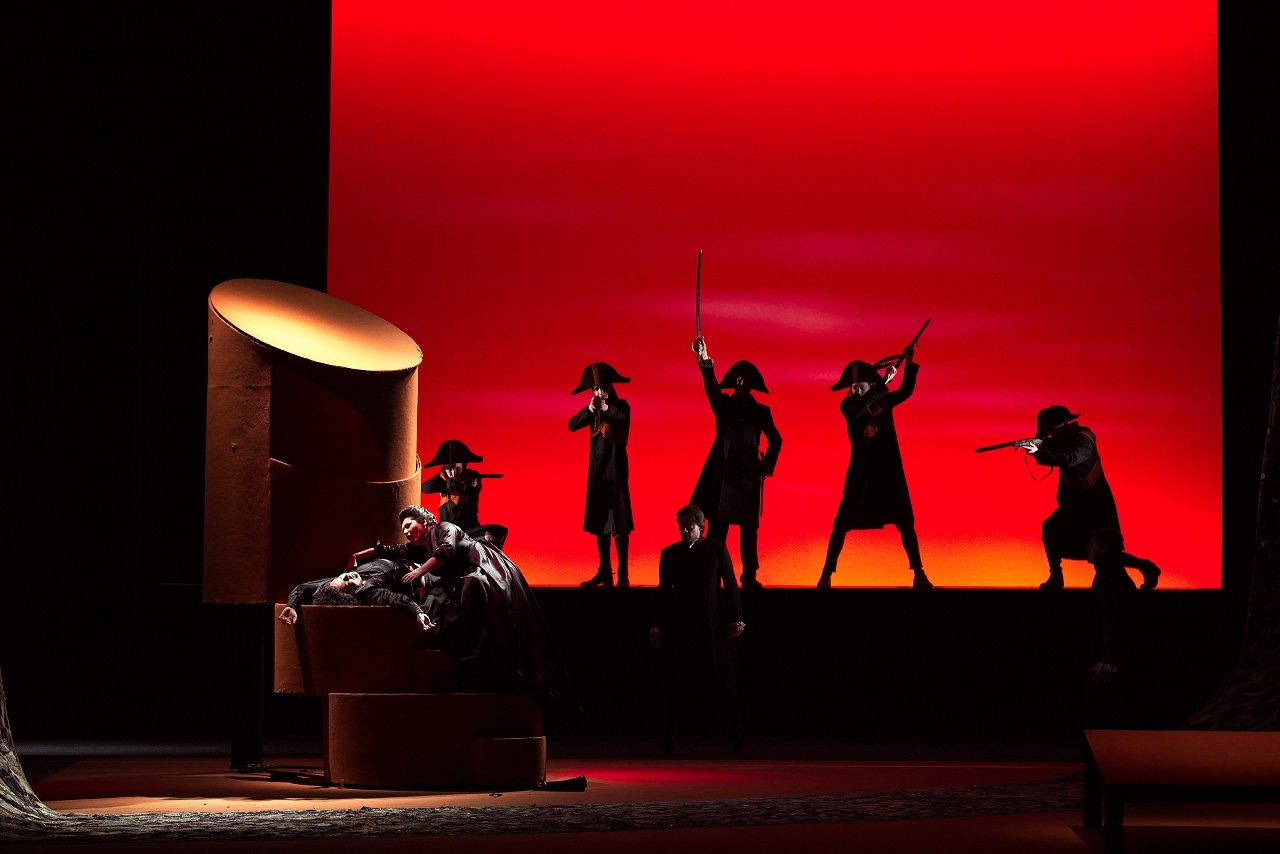
As the firing squad appears, the diva coaches Mario on how to fake his death convincingly; the soldiers fire and depart. Tosca urges Mario to hurry, but when he fails to move, she discovers that Scarpia’s treachery has transcended the grave: the bullets were real.
Spoletta rushes in to arrest Tosca. She climbs the battlements and, crying that she will meet Scarpia before God, leaps to her death.
© Bolshoi Theatre
© Wikipedia
|
|
Main Stage
Teatralnaya ploschad, 1 (Theatre Square, 1), Moscow, Russia
New Stage
Bol'shaya Dmitrovka Street, 4/2, Moscow, Russia
RAMT
Teatralnaya ploschad, 2 (Theatre Square, 2), Moscow, Russia
|